 By
By Why Escaped Mirror Life Would Be Almost Unstoppable
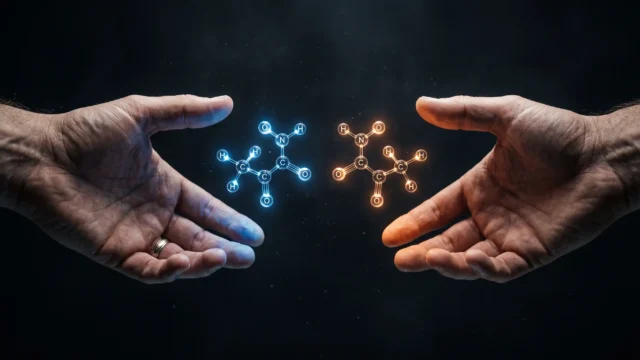
Every biological molecule has a property called chirality (handedness) — it comes in a left-handed (L) or right-handed (D) form that are mirror images of each other, like your two hands. All life on Earth uses L-amino acids to build proteins and D-sugars to build DNA and RNA. This universal homochirality is one of the deepest mysteries of life’s origin — why one chirality won out — but the consequence is clear: every enzyme, antibody, and receptor in every living organism is optimised to interact with molecules of the “correct” chirality.
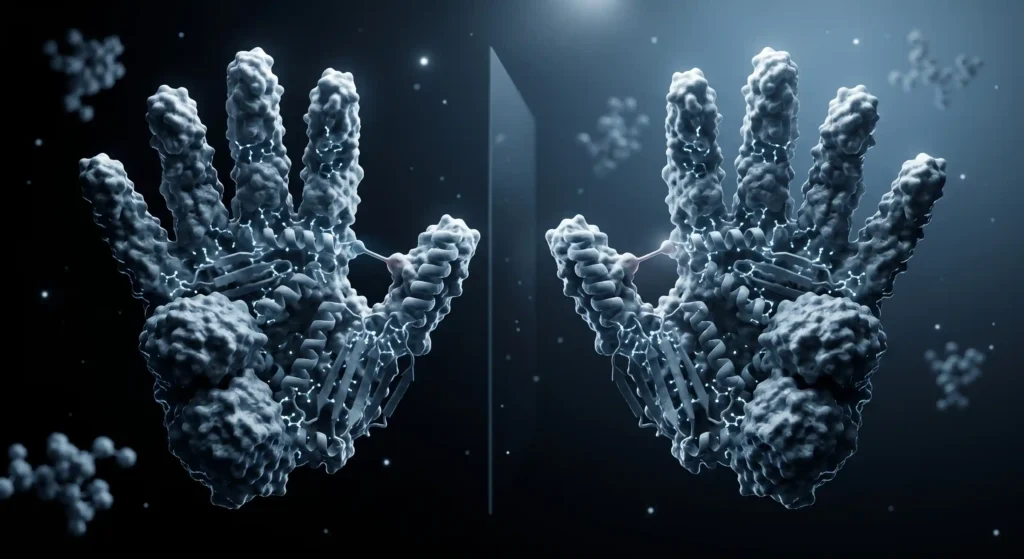
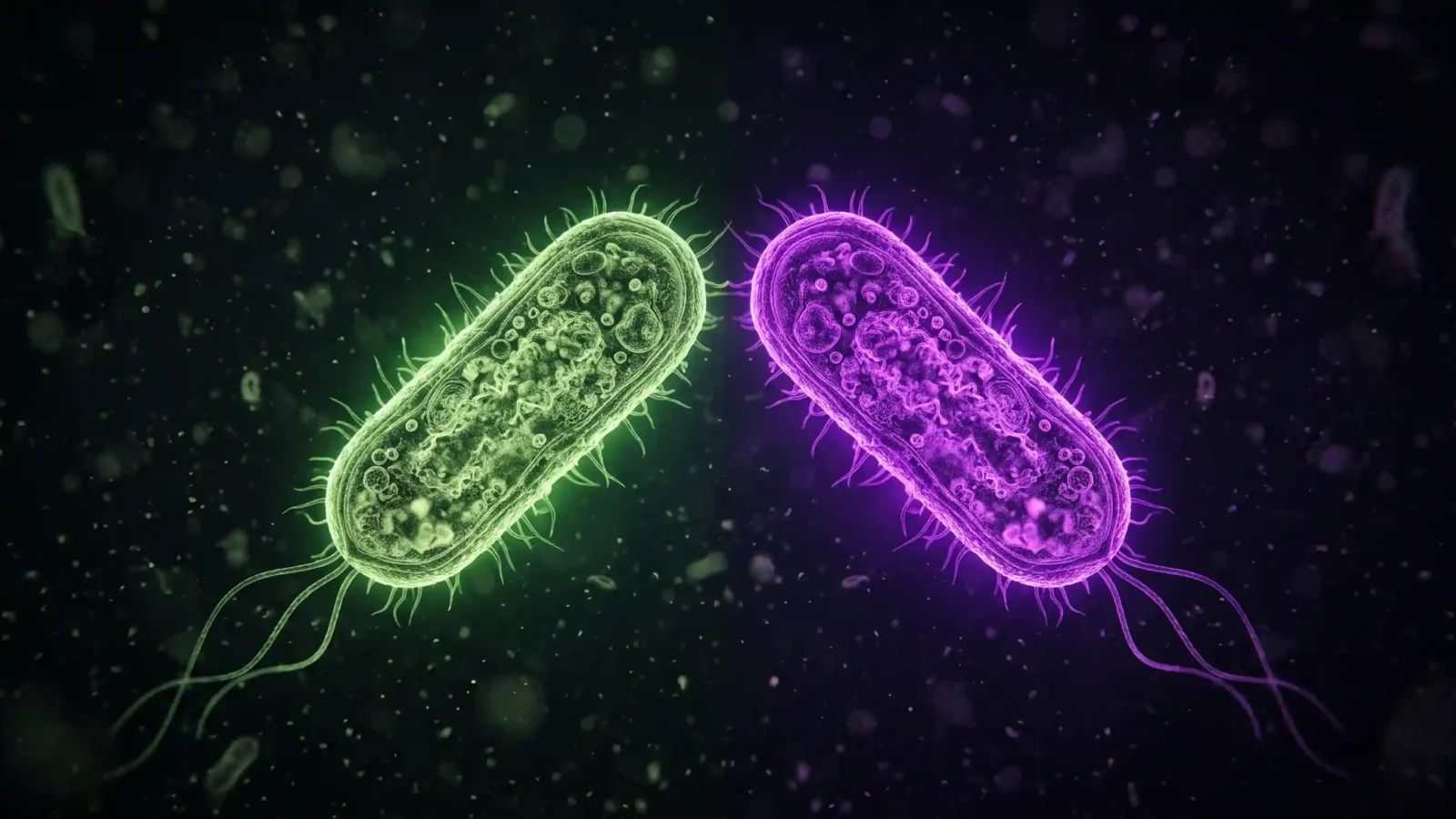
Mirror life is the concept of organisms built entirely from D-amino acids and L-sugars — the mirror images of normal biology. In principle, such organisms could be synthesised from scratch by building a mirror-image ribosome (the cellular machine that assembles proteins) and a mirror-image genome. The Nobel laureate David Baker’s lab has made significant strides in protein engineering that bring this closer to reality, prompting the serious scientific concern that mirror organisms could be constructed intentionally or by accident.
How Would a Mirror Cell Actually Get Out?
Before asking what an escape would do, it is worth asking how one would happen — because the answer shapes everything about whether containment is a credible defence.
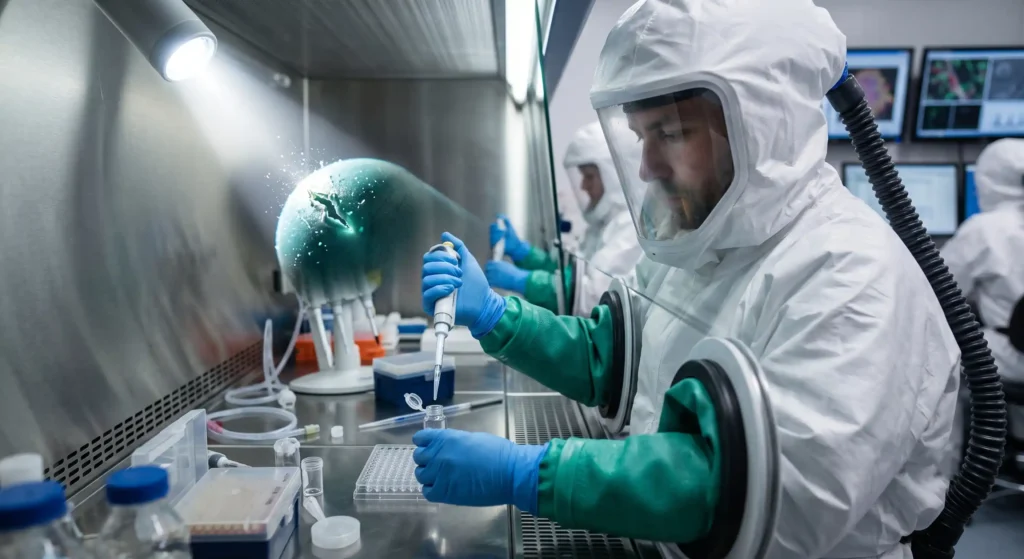
Laboratory containment is not theoretical. High-containment facilities use directional airflow, HEPA filtration, autoclaves, airlocks, and layered personal protective equipment, and they work well. But the historical record of laboratory-acquired infections and containment breaches — across smallpox, SARS, foot-and-mouth disease and others — establishes that the failure rate of high-containment biology is low rather than zero. For an organism that could establish itself permanently in the environment, low is not the same as acceptable.
- Human error. Procedural lapses, improperly decontaminated waste, a torn glove, an unnoticed aerosol during pipetting. This is the dominant cause of historical laboratory releases, and no engineering control eliminates it.
- Equipment failure. Filter breaches, autoclave malfunctions, pressure-cascade reversals during power interruptions.
- The undetected carrier. The scenario most specific to mirror life: a researcher becomes colonised without knowing it, because no clinical test in existence would return a positive result. Standard surveillance would show nothing wrong.
- Deliberate release. An insider, or theft of material by a state or non-state actor.
- Natural disaster. Earthquake, flood or fire destroying a facility’s containment envelope.
The 2024 risk assessment’s conclusion on this point is the sharpest argument in the whole debate. For a self-replicating organism that could persist and spread in the environment, containment is a probability, not a guarantee — and over decades of operation across multiple facilities, small annual probabilities compound toward certainty. Prevention is favoured over containment not because containment is bad, but because containment is the wrong category of solution for an irreversible outcome.
Why Would Mirror Bacteria Be So Dangerous?
The danger of mirror life is not that it’s inherently poisonous — it’s that it’s biologically invisible to our immune systems. Immunity works through molecular recognition: T-cells, B-cells, and antibodies recognise pathogens by their surface proteins and molecular signatures. A mirror bacterium would have surface proteins made of D-amino acids that no terrestrial immune system has ever encountered. The antibodies our bodies produce are L-protein-based and shaped to bind L-protein surfaces; they would not bind to D-protein surfaces.
This immune evasion extends beyond just humans. Every plant, fungus, bacterium, and animal on Earth uses the same chirality. A mirror bacterium would face:
- No natural predators (bacteriophage viruses, which require L-protein binding sites to infect bacteria)
- No natural immune responses in any ecosystem organism
- No antibiotics (which target L-protein bacterial machinery)
- Potentially unlimited resources (it could eat any organic material without competition from normal-chirality decomposers)
The Escape Timeline: Day Zero to Year Ten
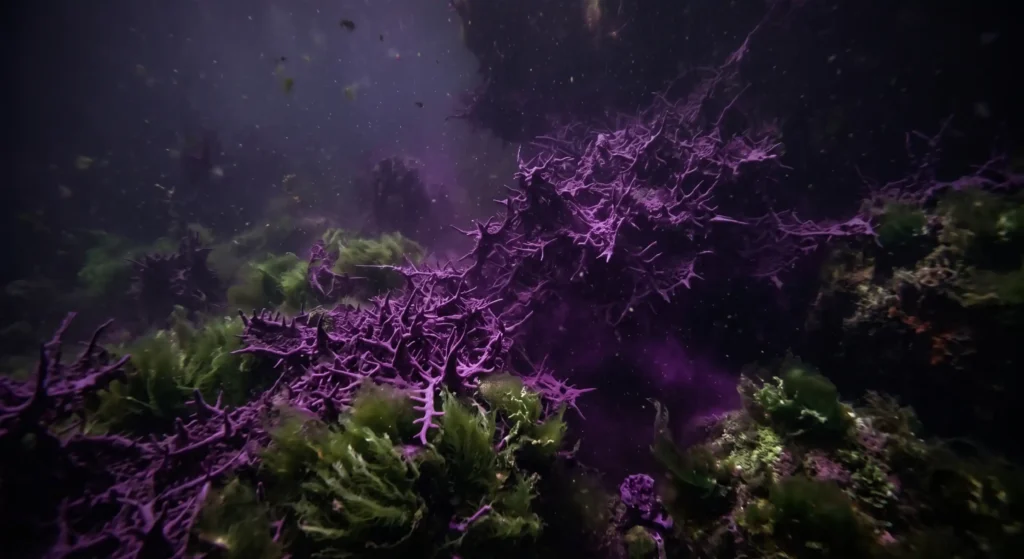
Assume a robust, environmentally competent mirror bacterium reaches open soil or water. The striking feature of the resulting timeline is how quiet the early phase would be — this is not a scenario with a dramatic opening.
- Day 0 to week 1 — nothing observable. A microscopic population in a large environment, growing at whatever rate its access to usable nutrients permits. There is no outbreak, no cluster of cases, no signal. Even if someone were looking, standard microbiological surveillance would not register it, for reasons covered below.
- Months 1–12 — establishment or failure. This is the decisive window, and the one where the science is genuinely uncertain. The organism either finds a viable niche — a source of achiral nutrients, a tolerable temperature and chemistry range — or it does not, and dies out. Most released organisms fail. The concern is that a mirror bacterium fails for none of the usual reasons, since competition and predation are the mechanisms that normally kill an introduced microbe, and both are largely disabled.
- Years 1–3 — the first anomalies. If it establishes, the earliest signals would probably not look microbiological at all. Unexplained wasting in livestock or wildlife. Plant disease that no pathogen test can identify. Human infections that culture negative, do not respond to any antibiotic, and produce inflammation without an identifiable cause. The diagnostic system would generate a growing pile of unexplained cases before anyone connected them.
- Years 3–10 — spread and recognition. Once identified, the response problem becomes apparent: there is no drug, no vaccine, no phage therapy, and no ecological control agent, because every one of those tools is chirality-matched to normal life. Developing mirror-specific countermeasures would mean building an entire parallel pharmacopoeia from scratch.
- Decades — the ecological question. The most serious scenario in the 2024 assessment is not a human pandemic but an environmental one: a mirror organism capable of photosynthesis establishing in the oceans, where it would compete for light and nutrients against cyanobacteria and algae while being immune to the viruses and grazers that regulate every natural population. Marine microbes underpin the base of the ocean food web and a substantial share of global oxygen production.
The right mental model is not a pandemic. It is an invasive species with no natural enemies — kudzu, cane toads, zebra mussels — except that the absence of enemies is guaranteed by chemistry rather than by geography, and the organism is microscopic and irretrievable.
Why Every Standard Test Would Fail
This is the most underappreciated part of the problem, and the most concrete. Modern microbiology is built almost entirely on chirality-matched reagents. Run a mirror bacterium through a clinical or environmental laboratory and most of the toolkit returns nothing.
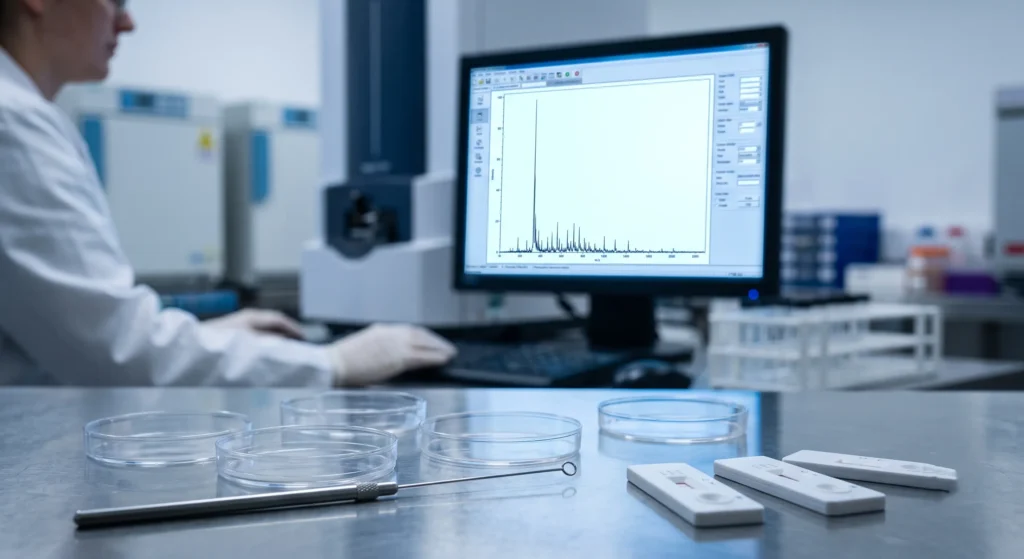
- PCR and sequencing — fail. Primers are normal-handed DNA and cannot base-pair with mirror DNA. Polymerases cannot copy it. The 16S ribosomal RNA sequencing that identifies essentially all bacteria would return nothing at all. Metagenomic surveillance — the broadest net we have — would be blind.
- Culture — fails. Standard growth media are made of normal-handed peptones, sugars and amino acids. A mirror organism would not grow on them, and in clinical practice “culture negative” is read as “no bacteria present.”
- Antibody and antigen tests — fail. Every rapid diagnostic, ELISA and lateral-flow test depends on antibodies binding a chirality-matched target.
- Enzyme-based assays — fail. Biochemical identification panels rely on the organism’s enzymes acting on normal-handed substrates. A mirror cell would score negative across the board.
What would still work is anything that measures physics rather than biochemistry. Light microscopy would show cells, because shape is shape. Mass spectrometry would detect the molecules, since enantiomers have identical masses — though it could not tell you which handedness they were without a chiral separation step. Chiral chromatography would give an unambiguous answer, and is the definitive test. Flow cytometry with achiral dyes and simple particle counting would register something present.
The pattern is worth stating plainly: you could see a mirror bacterium easily and identify it only with equipment no clinical laboratory routinely uses on unexplained cases. The gap between those two facts is measured in years of undetected spread, which is why the 2024 report argues that mirror-specific detection tools would need to exist before any mirror organism did.
What Could Actually Kill It
The “unstoppable” framing needs one important qualification. Biology fails against mirror life. Physics and chemistry do not.
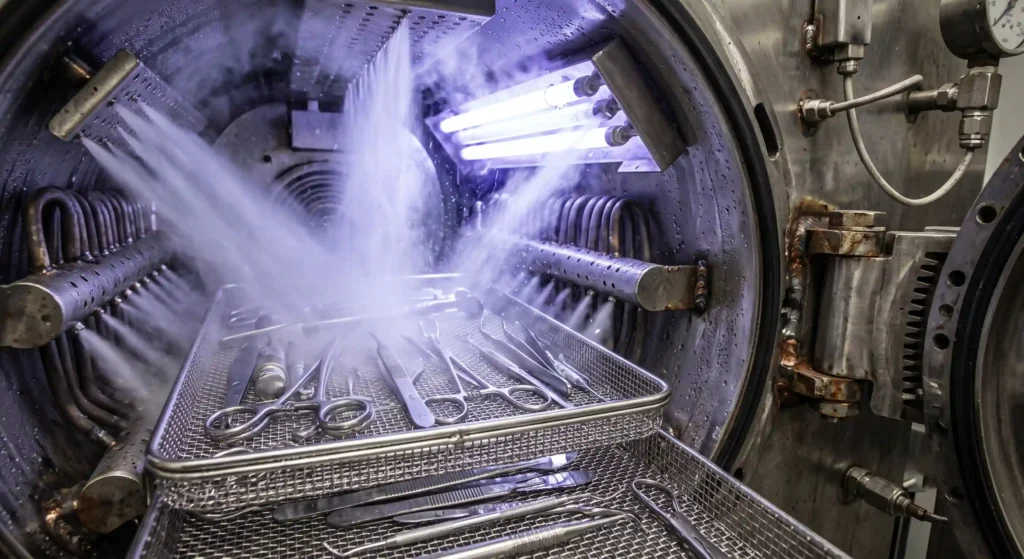
Anything that destroys a cell without needing to recognise its shape works exactly as well on a mirror organism as on a normal one, because those mechanisms are achiral — they have no handedness to mismatch.
- Heat. Autoclaving and incineration denature proteins regardless of handedness. Standard sterilisation is fully effective.
- Oxidising agents. Bleach, hydrogen peroxide, ozone and peracetic acid attack chemical bonds indiscriminately. Ordinary disinfection protocols hold.
- Radiation. Ultraviolet light damages nucleic acids of either handedness; ionising radiation is equally indifferent.
- pH extremes, desiccation and physical filtration. All achiral, all effective.
- Mirror antibiotics. The elegant one. Because the mirror image of a working drug is itself a working drug against a mirror target, the mirror version of an existing antibiotic should inhibit a mirror bacterium exactly as the original inhibits a normal one. The chemistry is understood — what is missing is manufacturing scale, and the years of development that would be needed after an escape rather than before it.
So a mirror bacterium in a hospital, a laboratory, or a water-treatment plant is a manageable problem. A mirror bacterium in the soil of a continent or in the surface waters of an ocean is not — not because it is invulnerable, but because you cannot autoclave a biosphere. The danger is spatial scale, not indestructibility.
What Did the 2024 Science Paper Actually Warn?
In December 2024, a paper published in Science titled “Avoiding a Catastrophe of Mirror Life” was signed by 38 prominent synthetic biologists and biosecurity researchers. The paper directly stated that the creation of a mirror bacterium — which they estimated might be technically feasible within the next 20–30 years — represents an existential risk comparable to nuclear weapons. Their specific concern: once released (accidentally or deliberately), a mirror bacterium capable of photosynthesis could spread globally, outcompeting existing photosynthetic microorganisms in the oceans, collapsing the marine food web, and destabilising atmospheric oxygen production within decades to centuries.
The paper was remarkable for its directness: this was not a precautionary fringe concern but a warning from the researchers closest to the relevant technology. It called for a global moratorium on mirror ribosome construction and immediate governance frameworks for synthetic biology.
The Report in Detail
The publication was actually two documents, and the distinction matters when citing it. The short piece in Science on 12 December 2024 was a Policy Forum article, “Confronting risks of mirror life.” Alongside it the authors released a technical report running to roughly 300 pages — “Technical Report on Mirror Bacteria: Feasibility and Risks” — which contains the actual analysis. The 38 authors spanned nine countries and disciplines including immunology, plant pathology, ecology, evolutionary biology and biosecurity.
On timing, the report’s own estimate was that a functioning mirror bacterium is at least a decade away and would require sustained, deliberate, well-funded effort — with several authors judging longer. Estimates of two to three decades appear in the wider commentary, and the honest position is that the range is wide precisely because the hardest step, a working mirror ribosome, has no partial solution to extrapolate from.
The report’s structure is worth knowing because it is more careful than the headlines suggested. Rather than asserting catastrophe, it works through four exposure domains separately — humans, animals, plants, and the wider environment — and assesses each. Its central conclusion is not that a mirror bacterium would necessarily be a superpathogen, but something more unsettling: that it would not need to be. An ordinary environmental generalist, with no pathogenic design at all, could cause severe harm simply by being unregulated by anything living.
Most striking of all was who signed it. Several authors had been actively working toward mirror life, including synthetic biologist Kate Adamala, and chose after completing the risk assessment to halt their own research and put their names to the warning. Nobel laureates Greg Winter and Jack Szostak also signed. It is unusual for a field to publish an argument against its own most ambitious goal.
Is Mirror Life Creation Actually Possible?
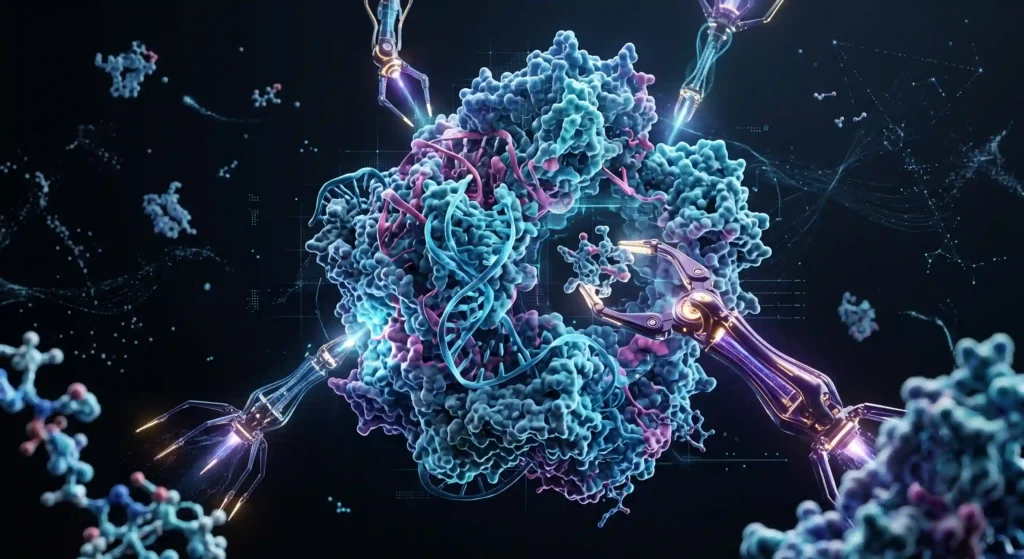
Not yet, but the technical barriers are shrinking. The key step is building a functional mirror ribosome — a protein-RNA machine assembled from D-amino acid proteins and L-RNA that can translate L-nucleic acid templates into D-amino acid proteins. This requires synthesising the hundreds of proteins that make up a ribosome in their mirror forms, then assembling them correctly. Current synthetic biology can do this for individual proteins but not yet for the full ribosome complex. The concern is that what seems difficult today may become routine within one or two decades of sustained progress — at which point the biosecurity window is already closed.
Where Things Stand in 2026
No mirror cell exists, and as of 2026 no group is known to be pursuing one. What has moved fast is the governance response — unusually fast, and unusually unanimous, for a technology that does not exist.
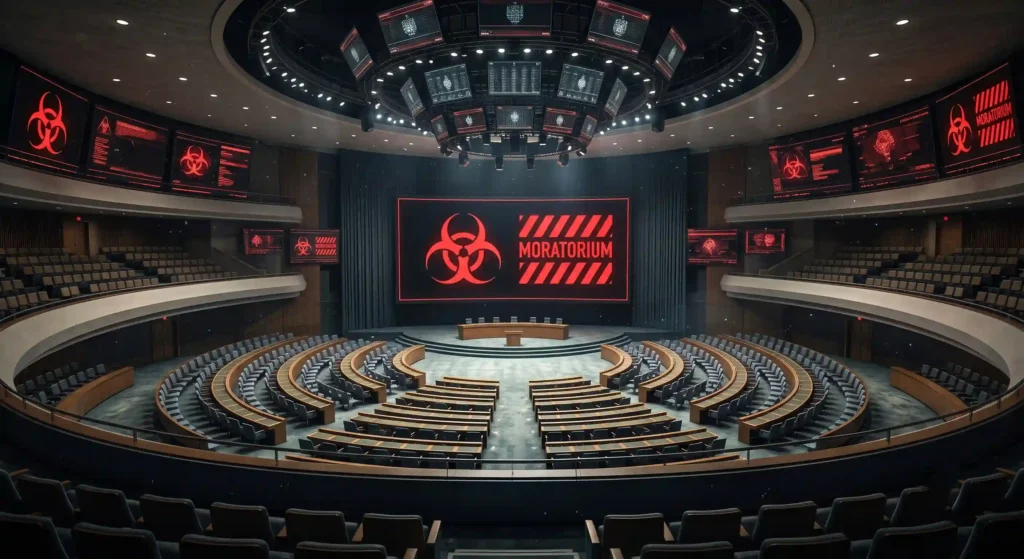
- Researchers stood down. Scientists who had been working toward mirror cells publicly abandoned the goal after the risk assessment.
- Funders closed the tap. Major philanthropic funders, including the Alfred P. Sloan Foundation and Renaissance Philanthropy, stated they will not finance work aimed at creating mirror organisms — a quietly decisive step, since this research would be expensive and largely grant-dependent.
- Independent review confirmed the analysis. Germany’s Central Committee on Biological Safety (ZKBS) conducted its own assessment in 2025 and affirmed the core findings — important verification from a national authority outside the original author group.
- A year of meetings. A Carnegie Endowment workshop on international governance in May 2025, the Paris Conference on Risks from Mirror Life in June 2025, and a technical workshop in Manchester in September 2025 focused specifically on where to draw research red lines. Manchester reached no firm boundary, which is itself informative: separating safe mirror-molecule work from the dangerous endpoint is genuinely hard.
- Bioethics and the UN. UNESCO’s International Bioethics Committee recommended a precautionary global moratorium on creating mirror cells. In March 2026, the UN Secretary-General’s Scientific Advisory Board issued a brief calling for a dedicated global forum to establish governance and clarify red lines before any decisive technical leap occurs.
The gap the UN board identified is the real one. Scientific consensus is not policy. There is currently no mechanism that converts “researchers agree this should not be done” into “no one anywhere can do this” — and consensus among the people who would build it is exactly the kind of safeguard that erodes as a technology becomes cheaper and more widely accessible.
The Case Against Alarm
Good risk assessment means engaging the counterarguments, and there are real ones. Several researchers have pushed back on parts of the picture.
- It would starve. The strongest objection. Mirror nutrients are vanishingly rare in nature, so a mirror cell would have to survive on achiral molecules — simple sugars, minerals, carbon dioxide — or synthesise everything it needs from scratch. Building a self-sufficient organism is far harder than building one that scavenges, and a laboratory strain accustomed to rich mirror media might simply fail outside.
- Innate immunity is not entirely chiral. Physical barriers, phagocytosis, oxidative bursts, low pH in the stomach and lysosome, and some antimicrobial peptides act by mechanisms that do not depend on precise molecular recognition. The immune failure might be partial rather than total.
- Ecology is competitive, not empty. Natural environments are saturated with organisms exquisitely optimised for their niches over billions of years. A newly built, unevolved organism arriving with no adaptations might simply be outcompeted for space, nutrients and light regardless of whether anything can eat it.
- The engineering may never close. A mirror ribosome remains completely unsolved, with no partial version working. Some argue the difficulty is not a delay but a plateau.
The 2024 report engages each of these and does not dismiss them. Its response to the starvation argument is that some bacteria are metabolic generalists, and that an organism able to fix carbon and scavenge achiral compounds might find enough. Its response overall is not a claim of certainty but a claim about asymmetry: if the sceptics are right, the cost of not building mirror life is a lost research avenue and some inconvenience to mirror-drug manufacturing. If the sceptics are wrong and it is built anyway, the outcome is permanent. Under that payoff structure, precaution wins without needing to win the scientific argument outright.
The Verdict
Strip away the framing and mirror life is unusual among catastrophic risks in three specific ways, and all three point the same direction.
It cannot happen by accident. There is no chain of small errors that gradually converts ordinary bacteria into mirror ones, and no natural process that produces one — evolution has only ever worked with a single handedness. It requires a deliberate, expensive, decades-long construction project. That makes the off switch unusually simple: do not start.
It is being debated in advance. Nuclear weapons, leaded petrol, CFCs and engineered pathogens were all governed after the capability existed. Mirror life is the rare case where the argument is happening while the hardest technical steps remain unsolved — which is the only point at which prevention is cheaper than response.
And the danger is passive rather than aggressive. A mirror bacterium would not hunt anything. It would simply be unreadable to a biosphere whose every defence, from an antibody to a bacteriophage to a soil decomposer, was tuned over four billion years to one handedness. The risk is the absence of brakes, not the presence of a weapon.
What that would mean in full — how a mirror cell would have to be built, why the ribosome is the wall, what the medical upside actually is, and how the world has responded since the warning — is set out in our complete guide to mirror life.
Q&A
Mirror life refers to hypothetical organisms constructed from mirror-image biological molecules — D-amino acids instead of the L-amino acids used by all known life, and L-sugars instead of D-sugars. Such organisms would have reversed chirality throughout their biochemistry. Because all terrestrial immune systems are calibrated to L-protein biochemistry, mirror organisms would be biologically invisible to all natural immune defences.
Chirality is the property of molecular “handedness” — many molecules come in two mirror-image forms (L and D) that cannot be superimposed. All life on Earth universally uses L-amino acids for proteins and D-sugars for DNA. This homochirality likely arose from a chance amplification at life’s origin. Mirror-image (D-amino acid) molecules are not metabolised by normal enzymes or recognised by normal antibodies.
Antibiotics work by binding to and interfering with specific bacterial proteins — cell wall synthesis enzymes, ribosomes, DNA replication enzymes. All these target proteins are made of L-amino acids. A mirror bacterium’s equivalent proteins are made of D-amino acids and have mirror-image shapes. Antibiotic molecules (also L-chirality) cannot bind to mirror-image targets, rendering all existing antibiotics non-functional against mirror bacteria.
Synthetic biology is the design and construction of new biological parts, devices, and systems not found in nature, or the redesign of existing natural biological systems. Applications range from engineering bacteria to produce insulin and biofuels to creating new genetic circuits and, at the frontier, constructing entirely artificial organisms from scratch.
Serious enough for 38 leading synthetic biologists to publish a formal warning in Science (December 2024) calling it an existential risk. The threat is not imminent — creating a functional mirror bacterium may be decades away — but the concern is that governance frameworks and technical barriers need to be established now, before the technology matures, rather than after a potential release event.
With difficulty, using unusual equipment. PCR, DNA sequencing, culture media, antibody tests and enzyme panels would all fail, because each depends on chirality-matched reagents — meaning a mirror infection would read as “no bacteria present” on every routine test. What does work is anything measuring physics rather than biochemistry: light microscopy shows the cells, and chiral chromatography gives a definitive answer. Mirror-specific detection tools would need to be built before any mirror organism existed.
Yes — anything achiral. Heat and autoclaving, bleach, hydrogen peroxide, ozone, ultraviolet and ionising radiation, extreme pH, desiccation and physical filtration all destroy cells without needing to recognise molecular shape, so they work identically on mirror life. Mirror-image versions of existing antibiotics should also work, since the mirror of a drug fits the mirror of its target. The problem is not indestructibility but scale: you can sterilise a laboratory, not a biosphere.
No. Evolution on Earth has only ever operated with a single handedness, and there is no gradual path from normal biology to mirror biology — the two chemistries cannot read each other, so no intermediate organism could function. A mirror cell can only exist if humans deliberately build one from scratch, which is why choosing not to build it is an unusually effective safeguard.
That it would starve. Mirror nutrients are essentially absent from nature, so a mirror organism would have to build everything it needs from achiral raw materials — a far harder engineering problem than making one that scavenges. Critics also note that innate immunity includes non-chiral defences such as phagocytosis and oxidative bursts, and that natural ecosystems are fiercely competitive. The 2024 report engages these points but argues the asymmetry of consequences still favours prevention.
No known group is pursuing it. Researchers who had been working toward mirror cells abandoned the goal after the 2024 risk assessment, and major philanthropic funders including the Sloan Foundation and Renaissance Philanthropy have stated they will not finance such work. Germany’s ZKBS independently confirmed the risk analysis in 2025, UNESCO’s bioethics committee has recommended a precautionary moratorium, and in March 2026 the UN Secretary-General’s Scientific Advisory Board called for a dedicated global governance forum.
Internal links: existential risk | What If an Engineered Super-Virus Became Airborne? | What If All Nuclear Weapons Detonated at Once?