 By
By 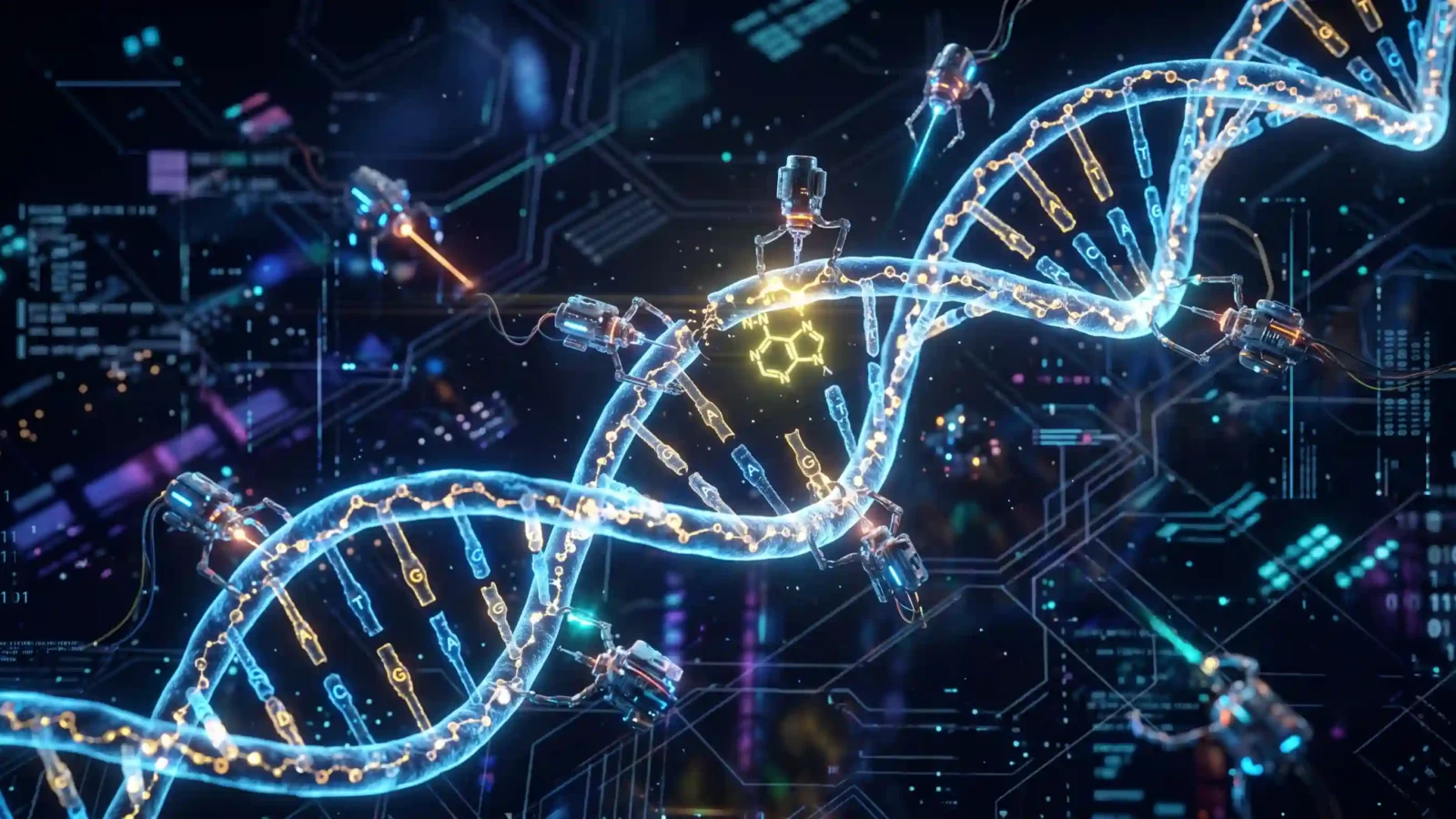
Quick Answer
Synthetic biology is the field of designing and building new biological systems — essentially engineering living cells the way we engineer machines or write computer code. Instead of just studying life, synthetic biologists read, write, and edit DNA to give organisms new functions: bacteria that produce medicines, yeast that brews biofuel, or cells programmed to detect disease. It is one of the most powerful and fastest-growing technologies of our time — with extraordinary promise and serious risks.
For most of history, biology was something we observed. Synthetic biology flips that around: it treats DNA as programmable code and cells as tiny factories we can reprogram on purpose. This guide explains what synthetic biology is, how scientists rewrite the code of life, its real-world uses, the quest to build genomes from scratch, and the safety concerns — including the extreme case of mirror life.
What Is Synthetic Biology?
Synthetic biology is an engineering approach to biology. It combines biology, genetics, chemistry, and computer science to design and construct new biological parts, devices, and systems — or to redesign existing natural ones for useful purposes. The guiding idea is that living cells run on DNA “software,” and if we can read and write that code, we can program cells to do new things.
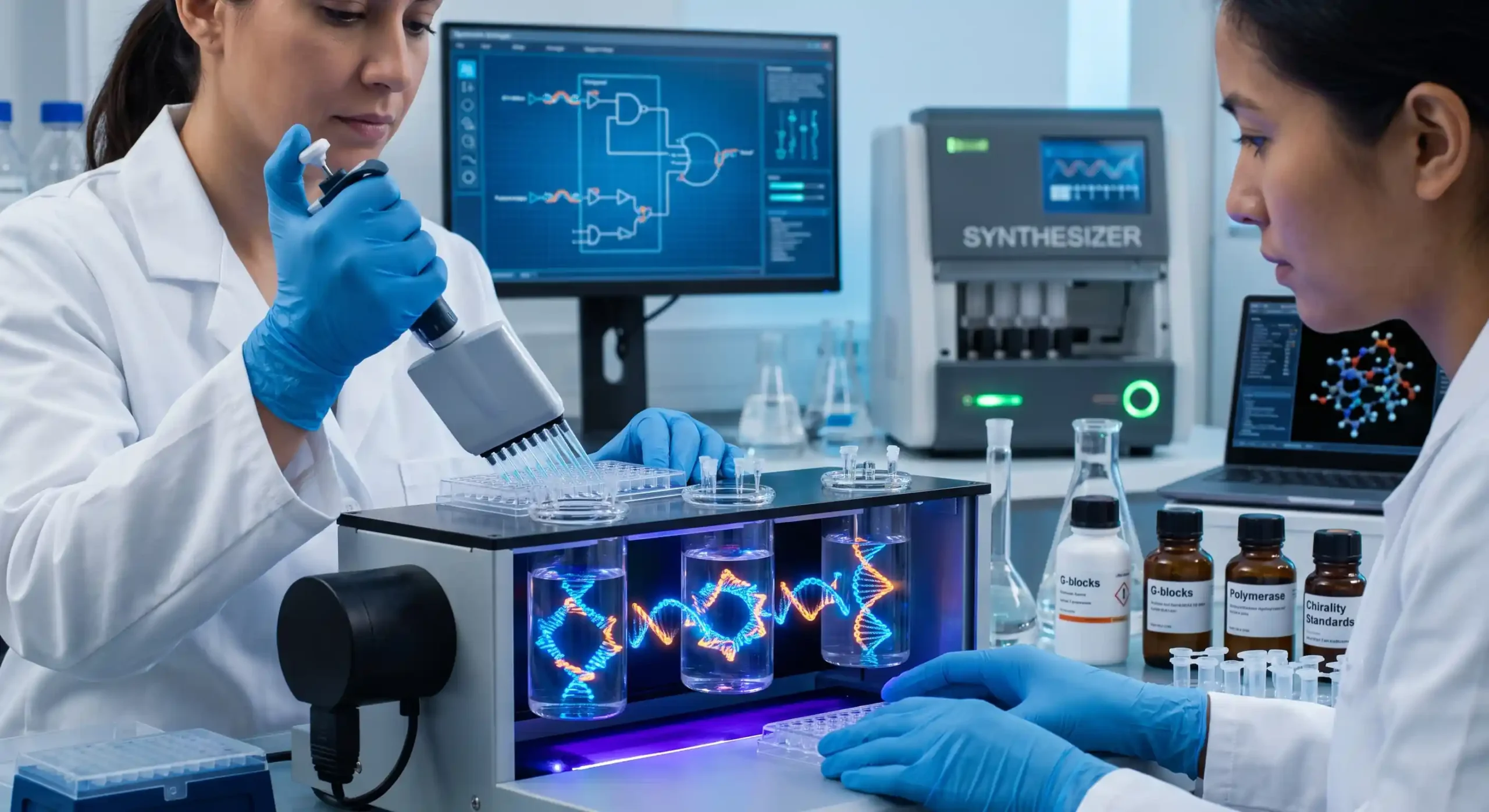
In practice, synthetic biologists treat genes like standardised components, assembling them into “genetic circuits” that make a cell perform a desired task — switching on a gene in response to a signal, producing a specific molecule, or sensing a chemical in its environment. The vision is to make biology as predictable and modular as electronics, where engineers snap together parts from a catalogue to build something new.
The Design-Build-Test-Learn Cycle
What distinguishes synthetic biology from biology in general is not any single technique but a workflow borrowed wholesale from engineering. Everything in the field runs on a four-stage loop, repeated as many times as necessary.
- Design. Specify the genetic sequence on a computer — which genes, which promoters controlling how strongly they switch on, which regulatory elements, assembled into a circuit intended to produce a defined behaviour.
- Build. Chemically synthesise that DNA and insert it into a host cell, usually E. coli or brewer’s yeast.
- Test. Measure what the modified organism actually does — how much product, how fast, how reliably, and how sick it makes the cell.
- Learn. Feed the results back into the next design. This is where most of the time goes, because biological systems rarely behave as specified.
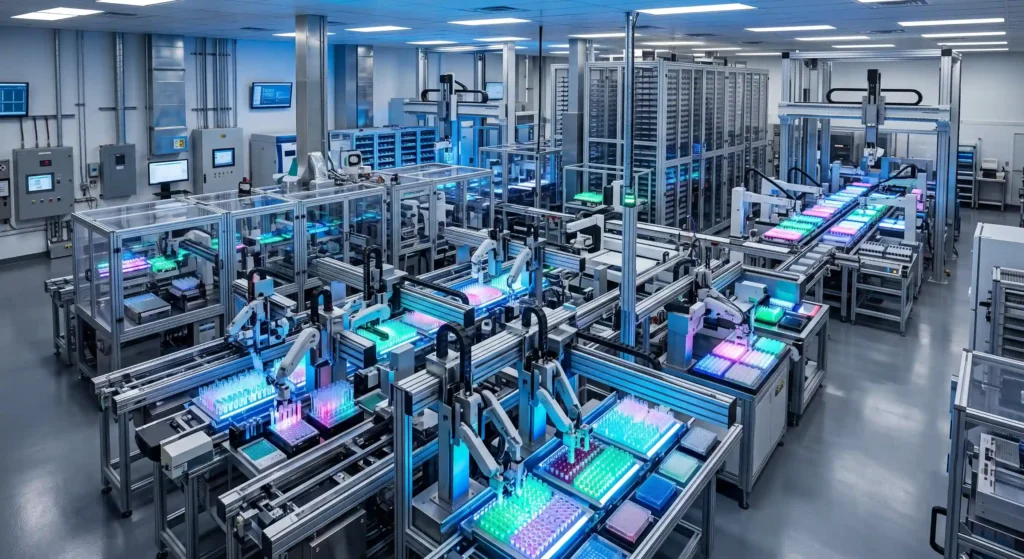
Two ideas from the field’s early years shaped how this is organised. The first is standardisation: the BioBricks concept, developed at MIT in the early 2000s, proposed that genetic parts should have consistent interfaces so they could be snapped together like electronic components, and the Registry of Standard Biological Parts was created as a shared catalogue. The second is the biofoundry — a highly automated laboratory where robots run thousands of DBTL cycles in parallel, turning a craft process into an industrial one.
Alongside both sits iGEM, the international student competition running since 2004, which has trained a substantial share of the field’s working scientists and has embedded safety review into project design from the beginning.
The honest caveat is that the electronics analogy only half works. A resistor behaves the same in every circuit; a genetic part often does not, because it competes for the cell’s shared machinery, interacts with the host’s own regulation, and mutates under selection if it imposes a cost. Much of the last two decades has been spent discovering that biological parts are considerably less modular than the founding vision assumed.
How Scientists Rewrite the Code of Life
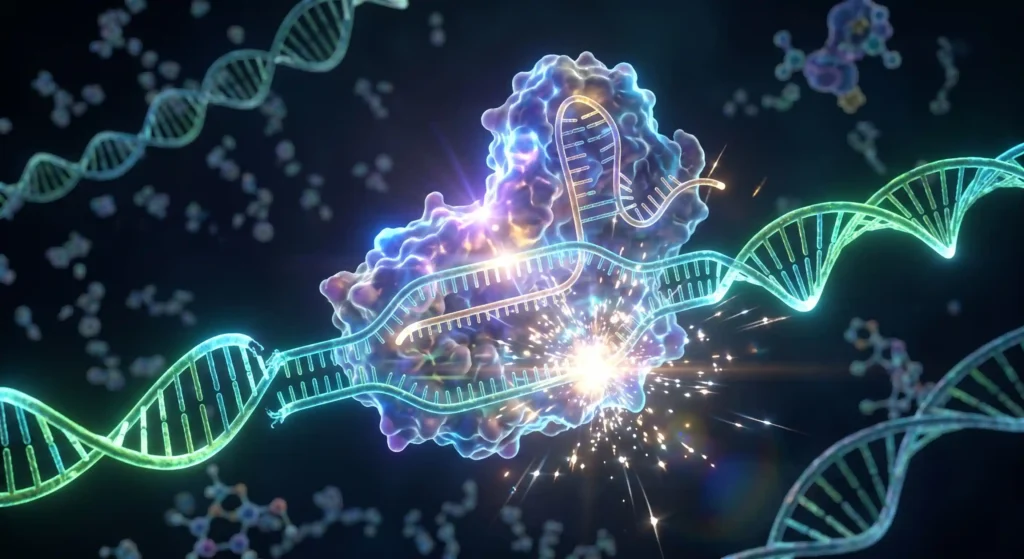
Rewriting life relies on a handful of powerful tools. Scientists can now read DNA cheaply through rapid sequencing, write new DNA by chemically synthesising genes from scratch, and edit existing DNA with precision tools — most famously CRISPR, which acts like molecular scissors to cut and modify genetic code at chosen locations. Combined, these let researchers design a genetic sequence on a computer, manufacture it, and insert it into a living cell.
Genetic engineering vs synthetic biology
Synthetic biology is often confused with traditional genetic engineering, but there is a meaningful difference. Genetic engineering generally means taking an existing gene from one organism and transferring it into another — for example, inserting a human insulin gene into bacteria. Synthetic biology goes further: it designs and builds novel genetic systems, sometimes assembling entire genetic circuits or even whole genomes that do not exist in nature. In short, genetic engineering edits the existing text of life, while synthetic biology aims to write new sentences — or new books — from the ground up.
The Cost Curve That Made It Possible
None of this would exist without an economic collapse in the price of DNA. Synthetic biology did not become possible because of a conceptual breakthrough — the ideas date back decades — but because reading and writing genetic code became affordable.
Sequencing a human genome cost on the order of hundreds of millions of dollars in the early 2000s and now costs a few hundred. That decline outpaced Moore’s Law for years, and it is why the “read” half of the field is essentially a solved problem: sequencing is cheap, fast, and routine.
Writing has followed the same curve more slowly, and the asymmetry defines the field’s current shape. Synthesising DNA remains far more expensive per base than reading it, error rates accumulate with length, and assembling short synthesised fragments into long, accurate constructs is still laborious. The practical consequence is that ambitions are constrained by write capacity: you can sequence a thousand genomes far more easily than you can build one.
Two developments are changing the picture. Enzymatic DNA synthesis, which uses engineered enzymes rather than the older phosphoramidite chemistry, promises longer and more accurate fragments with less hazardous waste. And benchtop synthesisers now let a laboratory produce DNA in-house rather than ordering it from a supplier — convenient for researchers and, as covered below, a significant complication for biosecurity.
Real-World Uses (medicine, fuel, food)
Synthetic biology is already woven into everyday life, often invisibly.
- Medicine: microbes engineered to produce insulin and the antimalarial drug artemisinin; engineered immune cells (CAR-T) to fight cancer; and tools behind modern vaccines.
- Food: yeast engineered to produce the plant-based “heme” that gives some meat substitutes their flavour, and microbes that make flavourings, vitamins, and proteins.
- Energy and materials: microorganisms designed to produce biofuels, and engineered cells that make spider-silk proteins and other novel materials.
- Sensing: living biosensors that detect pollutants, toxins, or signs of disease.
These applications hint at a future where many products — drugs, fuels, materials, foods — are “grown” by engineered organisms rather than manufactured in conventional factories.
What Has Not Worked
A list of successes gives a misleading picture of a field, and synthetic biology’s failures are more instructive than most.
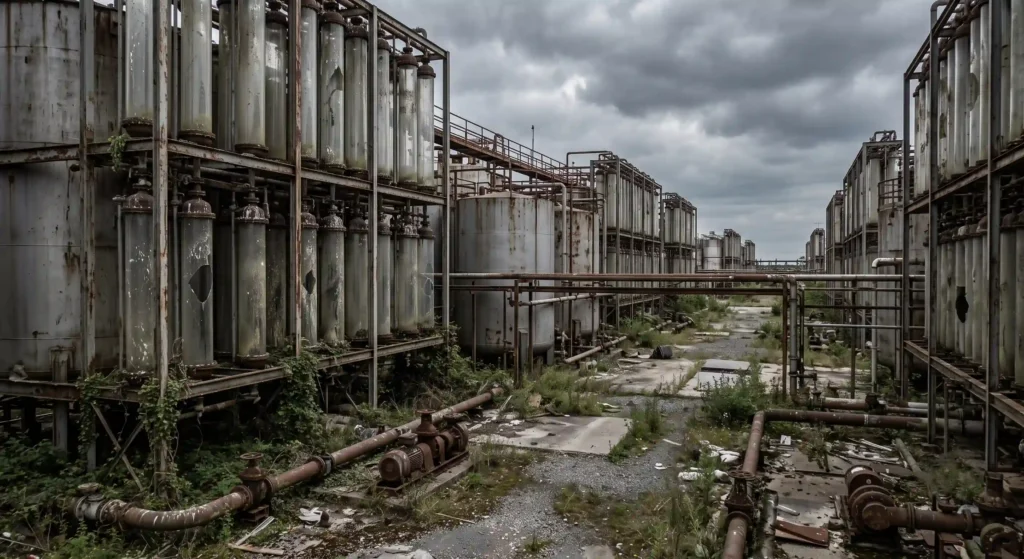
Biofuels. In the late 2000s, engineered microbes producing fuel from cellulose or sunlight attracted enormous investment on the promise of displacing petroleum. Almost none of it survived contact with the economics. The biology worked in the sense that the organisms produced fuel; it failed in that they could not do so at a cost competitive with oil, particularly once shale gas collapsed energy prices. Several prominent companies pivoted away entirely or went under.
Artemisinin. The semi-synthetic route to the antimalarial drug, developed with substantial philanthropic funding, is genuinely one of the field’s great technical achievements — a complete plant metabolic pathway rebuilt in yeast. Commercially it struggled, because the price of plant-derived artemisinin fell and farmers could undercut the fermentation route. A triumph of engineering, and a demonstration that being able to make something is not the same as being able to sell it.
The modularity assumption. The founding vision of interchangeable genetic parts has not delivered the plug-and-play predictability it promised. Parts behave differently in different hosts, circuits impose metabolic burden that slows growth, and evolution reliably breaks engineered constructs that cost the cell energy. This is why the field leaned so heavily into automation and machine learning: if you cannot predict which design will work, you test thousands.
The pattern across all three is the same. Synthetic biology’s binding constraints have generally not been biological but economic and evolutionary — the cost of the process and the tendency of living systems to optimise away anything imposed on them. That is worth knowing before assessing any claim about what the field will do next.
Building Genomes From Scratch (the minimal cell)
One of the field’s landmark achievements is the construction of synthetic genomes. In 2010, a team led by Craig Venter created the first cell controlled entirely by a chemically synthesised genome — they wrote out a bacterium’s complete DNA, manufactured it, and booted it up inside a host cell. In 2016, they went further, building a “minimal cell” stripped down to only the genes essential for life, around 470 genes — fewer than any natural organism.
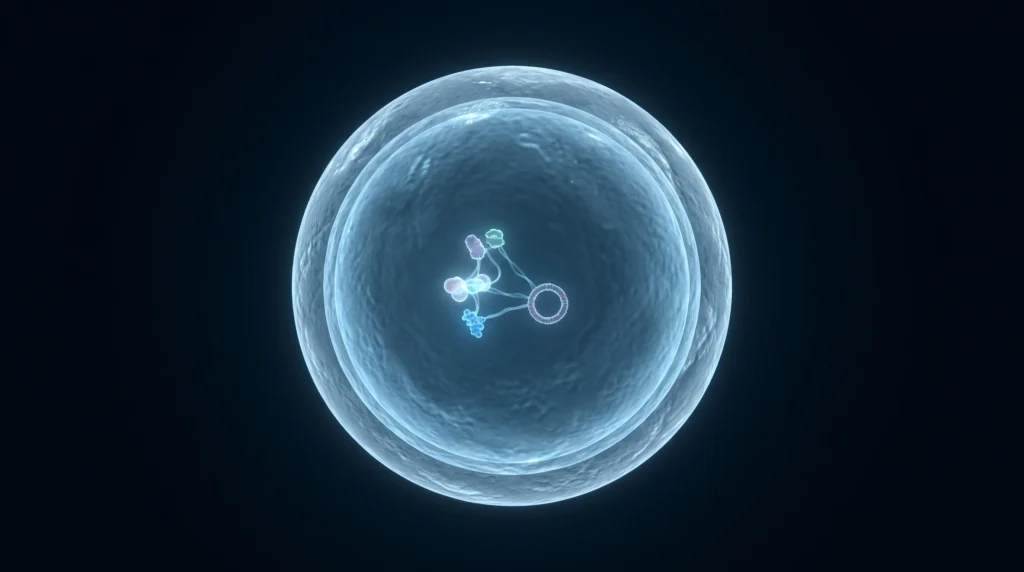
This work probes a profound question: what is the absolute minimum required for something to be alive? Building life from a designed blueprint, rather than copying nature, is a step toward truly custom organisms — and it raises the stakes for both the benefits and the dangers of the field.
Rewriting the Genetic Code Itself
Beyond stripping a genome down, researchers have begun editing the underlying code — not the genes, but the language they are written in. This is where synthetic biology stops resembling engineering and starts resembling something stranger.
The genetic code is redundant: 64 possible three-letter codons specify only 20 amino acids plus stop signals, so most amino acids have several synonymous codons. That redundancy is spare capacity, and it can be reclaimed.
- Genome recoding. Researchers have built strains of E. coli in which synonymous codons were systematically replaced throughout the entire genome — first reducing the code to 61 codons, then, in work reported in 2025, to 57. The freed codons become blank slots available for new meanings.
- Non-standard amino acids. Those freed codons can be reassigned to amino acids that do not exist in natural proteins, letting cells build polymers with chemical properties nature never evolved.
- Built-in virus resistance. An elegant side effect. Viruses rely on the host’s translation machinery, and a recoded organism reads a language they were not written for — so recoded strains are resistant to viral infection, a serious practical problem in industrial fermentation.
- Biocontainment by dependency. Recoded organisms can be made to require a synthetic amino acid unavailable in nature, so an escaped cell dies. This is the most credible engineered safeguard the field has produced.
- Expanded alphabets. Separately, researchers have built semi-synthetic bacteria carrying an additional, unnatural base pair alongside the familiar A-T and G-C — a six-letter genetic alphabet, replicated and transcribed by the cell.
- Synthetic yeast. The international Sc2.0 consortium has been rebuilding the entire genome of brewer’s yeast chromosome by chromosome, with deliberate design changes — the first synthetic eukaryotic genome, and a far larger undertaking than any bacterial equivalent.
This is also, unavoidably, the same body of technique that a mirror organism would require. The capabilities being developed for virus-resistant industrial strains and expanded chemistry are the ones that make an entirely rewritten cell conceivable — which is precisely why the boundary discussion described below has become urgent.
When AI Entered the Lab
The most consequential recent change came from outside biology. Machine learning models that predict how a protein sequence will fold, and generative models that design new sequences to fit a desired shape, have compressed work that used to take years into days.
The significance was formally recognised with the 2024 Nobel Prize in Chemistry, awarded to David Baker for computational protein design and to Demis Hassabis and John Jumper for AlphaFold’s solution to the protein structure prediction problem. Researchers can now specify a function — bind this target, catalyse this reaction — and have a model propose sequences that had no natural ancestor.
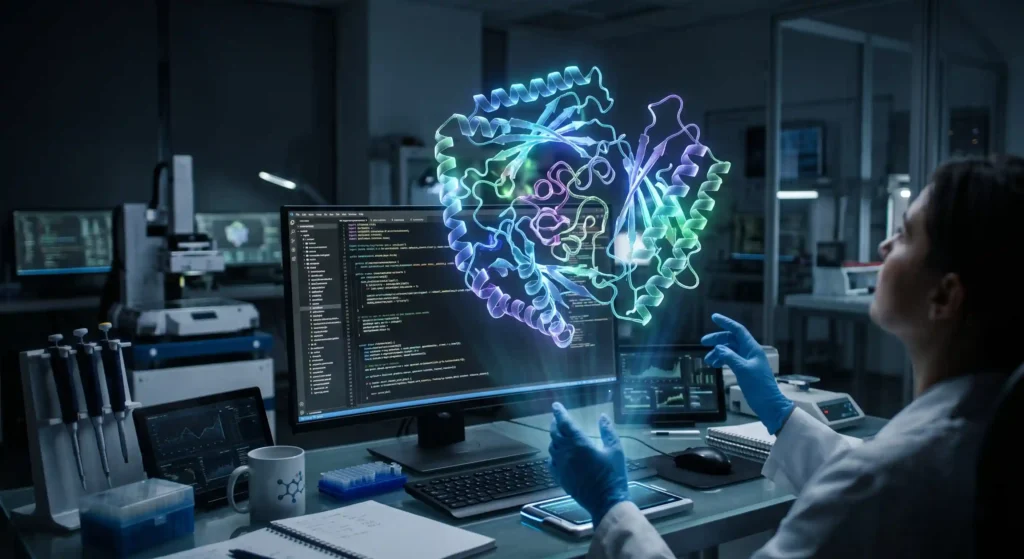
The upside is substantial: enzymes designed for reactions evolution never needed, binding proteins as therapeutic candidates, and vaccine components engineered to present exactly the right structure.
The complication arrived in 2025, and it broke a core assumption of biosecurity. Screening of synthetic DNA orders has always worked by homology — comparing a requested sequence against databases of known dangerous agents and flagging close matches. Researchers demonstrated that open-source protein design tools could generate variants of proteins of concern that preserved the structure and function while diverging enough in sequence to slip past homology-based screening. The screening was not poorly implemented; it was looking for the wrong thing. A system built to recognise resemblance is blind to something designed from scratch to be unfamiliar.
Companies and screening consortia responded quickly with structure-aware and function-aware detection approaches, and the specific vulnerabilities disclosed were patched. But the underlying problem is structural rather than a fixable bug: as design tools improve, the space of dangerous sequences that resemble nothing in any database keeps expanding.
The Risks — Including Mirror Life
With such power comes serious risk. Because synthetic biology lets us design organisms with new capabilities, it is inherently “dual-use” — the same tools that create a life-saving drug could, in principle, be misused to create something harmful. The most extreme concern is the deliberate construction of dangerous pathogens.
An especially striking risk is mirror life: organisms built from the opposite molecular handedness to all natural life, as explained in our article on chirality. Because such mirror organisms would be chemically “invisible” to natural immune systems and predators, they could potentially spread through ecosystems unchecked. In 2024, a group of prominent scientists publicly warned against ever creating mirror life, precisely because synthetic biology is bringing such feats within reach. The full danger is explored in what if synthetic mirror life escaped into the wild.
What makes that case unusual within the field is that the warning came from the researchers who would have built it. Several signatories had been actively pursuing mirror cells and halted their own projects after completing the risk assessment; major philanthropic funders subsequently declined to finance the work, Germany’s national biosafety committee independently affirmed the analysis in 2025, and by 2026 the UN Secretary-General’s Scientific Advisory Board was calling for a global governance forum. The line drawn is deliberately narrow — mirror molecules remain valuable and permitted; a complete, self-replicating mirror organism does not. How that boundary was arrived at, and why it is so hard to define precisely, is set out in our complete guide to mirror life.
Biosecurity and Regulation
To manage these risks, the field relies on a growing framework of biosecurity and oversight. Companies that synthesise DNA increasingly screen orders against databases of dangerous sequences to prevent the construction of known pathogens. Laboratories follow biosafety containment standards, and governments and international bodies work on regulations and ethical guidelines. Many researchers also advocate “responsible innovation” — building safety, transparency, and risk assessment into research from the start. The challenge is that the technology is advancing rapidly and becoming cheaper and more accessible, so governance must keep pace with capability.
How DNA Screening Actually Works — and Where It Breaks
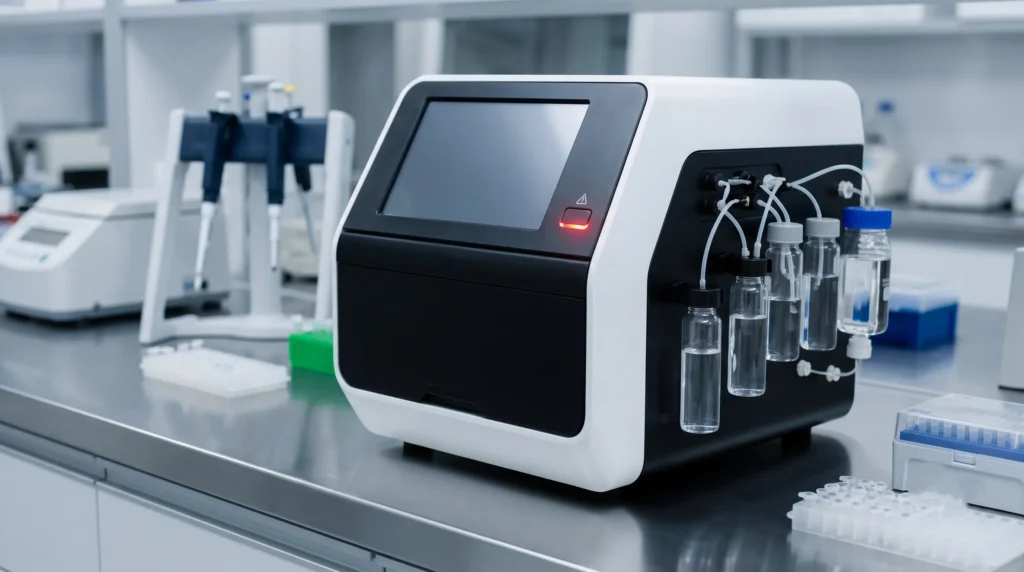
Because sequence screening is the single most important practical safeguard in the field, it is worth understanding how it functions and where the gaps are.
When a laboratory orders synthetic DNA, a compliant supplier runs two checks. The sequence is compared against databases of regulated pathogens and toxins, and the customer is verified as a legitimate institution with an appropriate use. Members of the International Gene Synthesis Consortium, which represents a large share of global commercial capacity, commit to both. The International Biosecurity and Biosafety Initiative for Science has published a freely available screening tool, the Common Mechanism, specifically so that smaller providers without in-house biosecurity teams can implement the same standard, and launched a technical consortium in late 2025 to work toward internationally aligned screening.
- Voluntary participation. The consortium’s standards bind its members. Providers outside it are under no equivalent obligation, and synthesis capacity is globally distributed across jurisdictions with very different rules.
- Benchtop synthesisers. A machine that produces DNA inside a laboratory removes the supplier from the transaction entirely — and with it the checkpoint. Building screening into the devices themselves is an active area of policy work.
- Homology blindness. The 2025 demonstration that AI-designed variants can preserve function while evading sequence-similarity detection. Screening based on resemblance cannot catch what was designed to be unfamiliar.
- Fragmented orders. A dangerous construct can in principle be ordered as innocuous-looking pieces from several suppliers and assembled afterward.
- Unclear liability. Responsibility across the design–synthesis–use chain is poorly defined in most jurisdictions, which weakens the incentive to screen rigorously.
The direction of travel is away from screening sequences alone and toward assessing predicted structure and function, combined with stronger customer verification and international harmonisation. Whether governance can move at the pace of the design tools is the field’s central open question.
Who Actually Governs Synthetic Biology
There is no single authority, which is both the honest answer and the source of most of the difficulty. Oversight is assembled from several overlapping layers, none of which was designed for the current technology.
Self-governance came first and remains influential. The 1975 Asilomar conference, where molecular biologists paused recombinant DNA work to agree safety guidelines before resuming, established the template — scientists constraining themselves ahead of regulation. The mirror life moratorium is a direct descendant, and a February 2025 “Spirit of Asilomar” summit marking the fiftieth anniversary produced a signed agreement that mirror life should not be created.
National regulation handles the routine work: institutional biosafety committees, containment level requirements, and rules governing genetically modified organisms in agriculture and medicine. These vary considerably between countries.
International instruments exist but were written for other problems. The Biological Weapons Convention prohibits development of biological weapons but has no verification mechanism at all — a gap acknowledged since it entered force. The Cartagena Protocol governs transboundary movement of living modified organisms with an environmental focus. Neither addresses AI-assisted design or organisms with rewritten genetic codes.
Gene drives illustrate the difficulty concretely. A gene drive spreads a genetic modification through a wild population far faster than normal inheritance, offering a genuine route to eliminating malaria-carrying mosquitoes — and, by construction, crossing borders without regard for which government approved it. Whose consent is required to modify a species that lives on three continents is not a question any existing framework answers.
Q&A
Most synthetic biology is conducted under strict containment and safety rules, and its everyday products — like engineered insulin — are very safe. However, the field is “dual-use,” meaning the same tools could be misused, which is why biosecurity, DNA screening, and regulation are essential to managing the risks.
Not entirely. Scientists have synthesised a complete bacterial genome and booted it up inside an existing host cell, and have built stripped-down “minimal” cells. But creating a living organism purely from non-living chemicals, without any pre-existing cellular machinery, has not yet been achieved.
Yes, to a degree. Researchers routinely engineer microbes, plants, and cells with new traits — producing drugs, materials, or sensing abilities. Fully “designed” complex organisms remain far beyond current capabilities, but custom-engineered microbes are already widely used in industry and medicine.
The main dangers are the accidental release of engineered organisms, the deliberate creation of harmful pathogens, and unforeseen ecological effects. An extreme theoretical risk is mirror life, which could evade natural defences. These concerns drive the field’s strong emphasis on biosecurity and responsible research.
CRISPR is a tool; synthetic biology is a field. CRISPR is a precise gene-editing system that cuts DNA at chosen locations, and synthetic biologists use it constantly — but they also use DNA synthesis to write new sequences from scratch, sequencing to read them, and design software to plan them. Editing an existing genome is one capability within a discipline aimed at designing biological systems.
Substantially, in both directions. Models that predict protein folding and generate novel sequences have compressed years of work into days, recognised by the 2024 Nobel Prize in Chemistry to David Baker, Demis Hassabis and John Jumper. The complication is biosecurity: in 2025 researchers showed AI-designed protein variants could retain dangerous function while diverging enough in sequence to evade DNA screening built on similarity to known agents.
An organism stripped down to only the genes strictly required for life. In 2016 the J. Craig Venter Institute built JCVI-syn3.0, a bacterium with roughly 470 genes — fewer than any naturally occurring free-living organism. It serves both as a test of what life minimally requires and as a clean chassis for engineering, without the redundant genetic baggage natural organisms carry.
Compliant suppliers compare each ordered sequence against databases of regulated pathogens and toxins, and verify that the customer is a legitimate institution. Members of the International Gene Synthesis Consortium commit to this, and IBBIS provides a free screening tool called the Common Mechanism so smaller providers can meet the same standard. Gaps remain: participation is voluntary, benchtop synthesisers bypass suppliers entirely, and similarity-based screening cannot catch AI-designed sequences with no close database match.
The genetic code has 64 codons for only 20 amino acids, so several codons are redundant. Recoding systematically replaces synonymous codons across an entire genome, freeing some for reassignment. Researchers have built E. coli reduced first to 61 codons and, in 2025, to 57. Freed codons can encode amino acids that do not exist in nature, and recoded organisms are inherently resistant to viruses — which read a language they were not written for.
No single body. Oversight is layered: scientific self-governance in the Asilomar tradition, national biosafety committees and containment rules, and international instruments such as the Biological Weapons Convention — which prohibits biological weapons but has no verification mechanism — and the Cartagena Protocol on transboundary movement of modified organisms. None of these was written for AI-assisted design, recoded genomes, or gene drives that cross borders on their own.
The Bigger Question
Synthetic biology gives humanity the power to write the code of life itself — to build organisms that have never existed. Most of that power is being aimed at curing disease and feeding the world. But the same capability raises a chilling edge case: what if we engineered life as a perfect mirror image of our own, immune to every natural defence, and it escaped? That is the scenario at the heart of what if synthetic mirror life escaped into the wild.
The science behind that danger is explained in our article on chirality. Explore more on the risks and resilience of life on the Earth & Humanity Survival hub.
Watch the mirror life scenario to see what could happen if engineered life slipped past every safeguard.