 By
By 
Quick Answer
Mirror life is a hypothetical form of synthetic life built entirely from the mirror images of the molecules used by every organism on Earth. A mirror bacterium would carry right-handed proteins and left-handed DNA — the exact reverse of natural biology. Because our immune systems, antibiotics, and natural predators are all shaped to grip normal-handed molecules, a mirror microbe could be effectively invisible to them.
In December 2024, 38 scientists, including two Nobel laureates, warned in the journal Science that creating mirror life could pose an unprecedented threat to humans, animals, and ecosystems — and urged the world not to build it.
Hold up your two hands. They are mirror images — same fingers, same palms — yet you can never lay one perfectly on top of the other. The molecules of life have this same property, and life on Earth picked exactly one version. Mirror bacteria would be built from the other version: the unused reflection. It sounds like a curiosity for chemists. It has instead become one of the most serious biosecurity discussions of the decade.
This guide explains what mirror life actually is, why a flipped microbe could be so uniquely dangerous, why any scientist would want to build one in the first place, how you would even attempt to make one, how close the technology really is, and what the world is now doing to make sure it stays unbuilt.
What Is Mirror Life?
Mirror life is a proposed form of synthetic organism in which every chiral molecule — the proteins, the DNA and RNA, the sugars, the metabolites — is replaced by its mirror-image twin. A mirror bacterium would be a complete, living, self-replicating cell that is the molecular reflection of a normal one. Nothing like it exists in nature, and nothing like it could evolve from existing life, because the two chemistries simply cannot read each other.
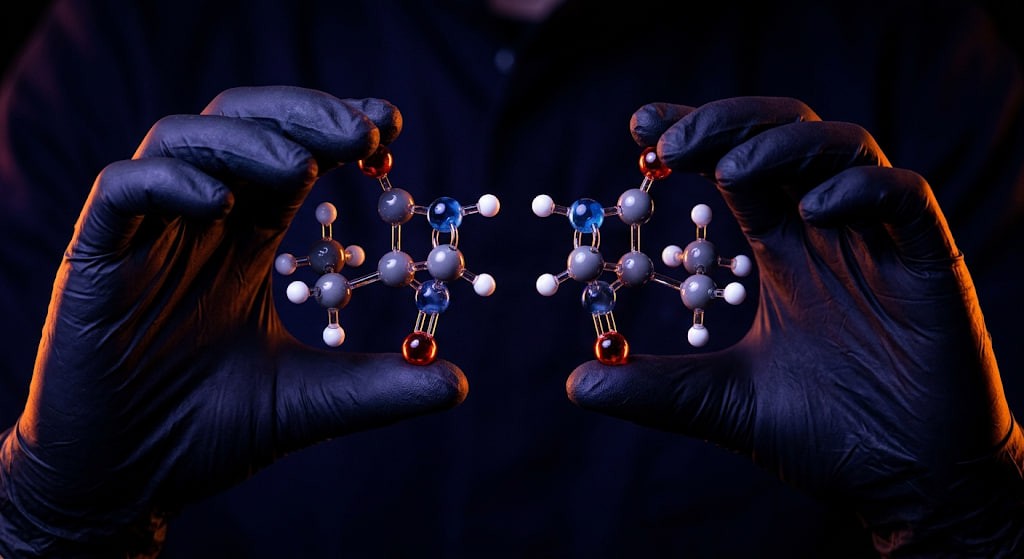
To picture it, you need one idea: handedness. Many of biology’s molecules are chiral, meaning they come in two mirror-image forms, like a left and right glove, that cannot be superimposed. Life on Earth is fanatically consistent about which form it uses — a property called homochirality. Our proteins are built from “left-handed” amino acids, and our DNA and RNA run on “right-handed” sugars. Every bacterium, every redwood, every human follows the same rule. (For the full story of why, see our deep dive on chirality.)
Mirror life flips that rule wholesale. A mirror cell would use right-handed amino acids and left-handed sugars — the abandoned mirror version of everything. The result would be biochemically alive in the ordinary sense: it would eat, grow, and divide. But it would do so in a chemical “language” that no organism on Earth has ever encountered. That is the heart of the thought experiment we follow all the way to its conclusion in what if mirror life escaped — and it is also the heart of why serious scientists are alarmed.
Mirror Bacteria vs Normal Life: The Handedness Flip
The cleanest way to grasp mirror life is to lay the two side by side. Natural biology and mirror biology would be chemically identical in every way except one: the direction of the twist running through their core molecules. That single difference changes everything about how they interact with the living world.
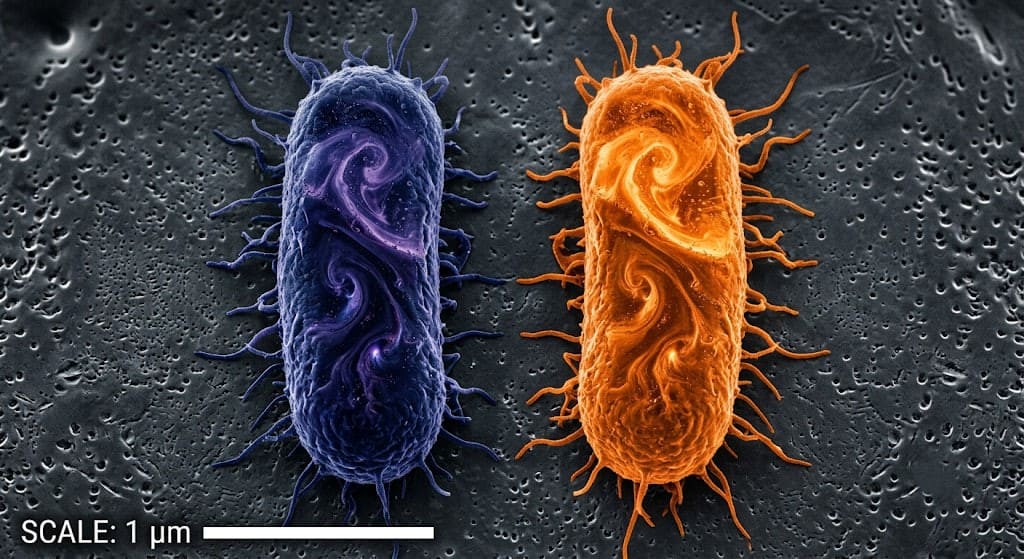
- Amino acids (proteins): normal life uses left-handed (L); mirror life would use right-handed (D).
- Sugars (DNA & RNA backbone): normal life uses right-handed (D); mirror life would use left-handed (L).
- Recognised by our immune system: normal microbes, yes; mirror microbes, likely not.
- Eaten by natural predators (phages, protists): normal microbes, yes; mirror microbes, likely not.
- Broken down by enzymes and decomposers: normal molecules, yes; mirror molecules, very poorly.
- Can arise by evolution in nature: normal life, yes; mirror life, impossible — it must be built atom by atom.
Think of all of life as a planet-wide system of locks and keys cut to one handedness. Enzymes fit their targets like a right hand into a right glove; immune cells identify invaders by a precise molecular handshake; viruses dock onto receptors shaped for one orientation. A mirror microbe would be a key cut backwards. It would not open any of those locks — and, crucially, none of those locks could open it either. That mutual blindness is the entire source of both the appeal and the danger.
It is worth pausing on just how total the rewrite would be. This is not a single tweaked gene or a swapped protein. Every enzyme, every strand of genetic code, every structural sugar and signalling molecule in the cell would have to be the mirror version — and they would all have to work together, in the right orientations, to keep the cell alive. That is what makes mirror life so hard to build and, equally, why a finished mirror cell would be so thoroughly foreign to everything around it.
Why Would Anyone Want to Build Mirror Life?
This is the question that makes mirror life genuinely difficult, rather than simply a horror story. The same chemical invisibility that makes a mirror microbe frightening also makes mirror molecules medically valuable. This is a textbook case of “dual use” — research with a legitimate upside and a catastrophic downside sharing the same root.
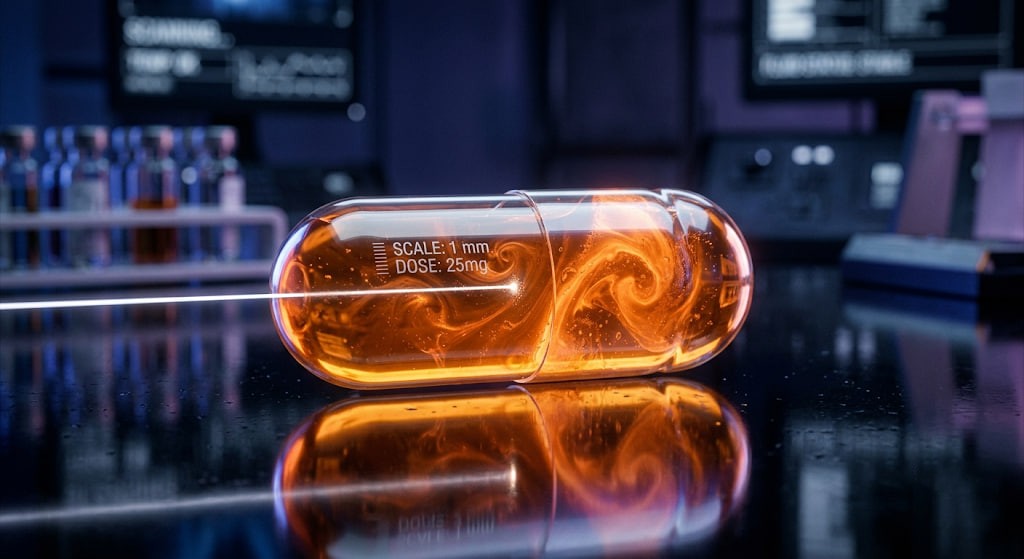
The motivation lives at the level of single molecules, not whole organisms. Because the body’s enzymes are shaped for normal-handed targets, they struggle to break down mirror-image molecules. A drug built from mirror peptides could therefore survive far longer in the bloodstream, resist digestion, and trigger fewer immune reactions — a real advantage for treating chronic and stubborn diseases. Mirror-image proteins are already a quietly active corner of synthetic biology.
The trouble is the next step in the logic. Producing mirror molecules one at a time by pure chemistry is slow and astronomically expensive. The dream of some researchers was to build a mirror cell — a living factory that could churn out mirror therapeutics cheaply, the way ordinary bacteria are already used to mass-produce insulin. A useful tool, in other words, was the gateway to a self-replicating organism. It is exactly that leap, from helpful molecule to autonomous mirror life, that the scientific community has now decided is a line worth not crossing.
How Would You Even Build a Mirror Cell?
One reason the experts judge mirror life to be at least a decade away is that building one is staggeringly hard. You cannot simply flip a switch on an existing bacterium; a mirror cell has to be assembled from the ground up, and almost every component is a research project in its own right. Walking through the main walls makes it clear how far the technology really is from the finish line.
Synthesising a Whole Mirror Genome
A bacterium’s genome runs to millions of letters of DNA. To build a mirror cell you would need that entire genome written in mirror-image (left-handed) DNA, chemically synthesised and stitched together accurately. To put the scale in perspective, even the most stripped-down free-living microbes carry hundreds of thousands of DNA letters, and synthetic biologists have only recently mastered assembling genomes of that size in ordinary, normal-handed DNA.
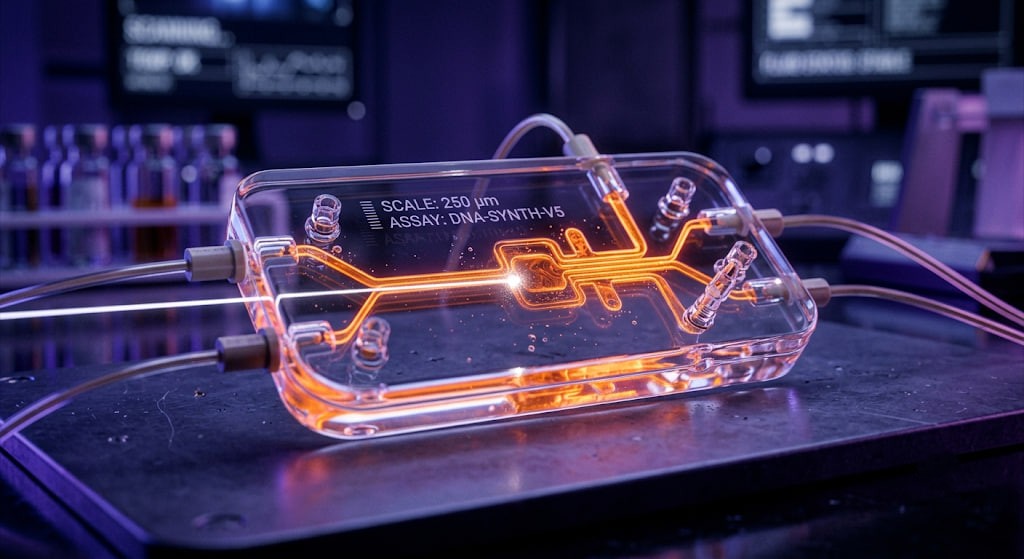
Scientists can already make short stretches of mirror DNA, but scaling that up to a full, error-free mirror chromosome is a vast leap in cost, length, and fidelity that no one has come close to making.
Building a Working Mirror Ribosome
The ribosome is the cell’s protein-making machine — itself a large, intricate assembly of RNA and dozens of proteins. A mirror cell needs a complete mirror ribosome, built from mirror RNA and mirror proteins, that can still fold correctly and translate genetic code into mirror proteins. The natural ribosome is one of the most complex molecular machines known, and reproducing it in reverse, fully functional, is widely seen as the single hardest barrier on the road to a mirror cell.
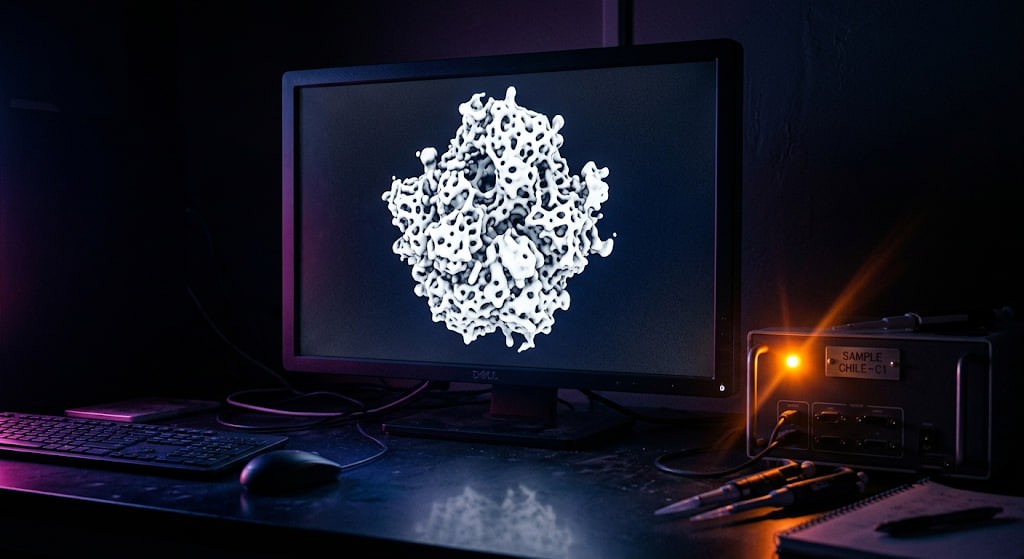
Every one of its components would have to be made in mirror form, assembled in the right order, and then coaxed to self-assemble into a machine that can read mirror messenger RNA and stitch together mirror proteins — all without the natural helper molecules a normal cell would lend it. No team has yet built even a partial mirror ribosome that works.
A Mirror-Compatible Membrane and Metabolism
Even with mirror DNA and a mirror ribosome, the cell needs a membrane to hold itself together and a metabolism to generate energy and raw materials. Membranes are built from chiral lipids; the enzymes that produce energy and recycle nutrients are chiral too. Every one of those hundreds of metabolic enzymes would have to be present in mirror form and work together as a coordinated network — a system, not a parts list.
Getting all of it to run at once, in a single self-sustaining cell, is a problem of dizzying integration. So far researchers have reconstructed only a handful of mirror enzymes at a time; a living metabolism would need them by the dozen, each precisely tuned to hand its product to the next.
Feeding It Mirror Food
Finally, a mirror organism could not live on ordinary nutrients, because it cannot process normal-handed molecules. It would need a supply of mirror sugars, mirror amino acids, and other mirror nutrients — which today are rare and expensive to make. In one sense this is a built-in safety feature: a mirror cell starved of mirror food would struggle to thrive in the wild. But it is also another formidable engineering hurdle for anyone trying to grow one in the first place.
Each of these walls is a reason the timeline is measured in decades, not years — and a reason there is still time to decide whether to attempt it at all.
Why Mirror Bacteria Could Be So Dangerous
The threat from mirror life is not that it would be unusually venomous or aggressive. It is that the entire defensive architecture of the living world — billions of years old and tuned to a single handedness — might simply fail to register it. Three layers of natural defense break down at once.
Invisible to the Immune System
Your immune system works by recognising the molecular shapes of invaders. Antibodies and immune cells latch onto specific chiral surfaces, like a hand finding the right glove. A mirror bacterium’s surface would be the wrong-handed glove everywhere the body looked. Many of those recognition steps could fail, meaning the immune system might struggle to detect a mirror infection, let alone clear it.
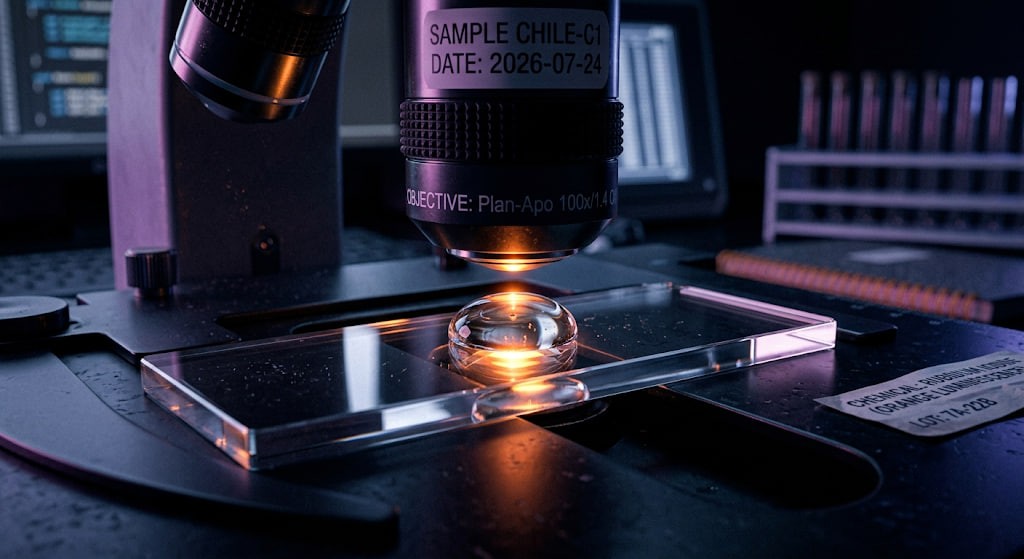
Standard antibiotics would likely fare no better: most are themselves chiral and act in a strictly stereospecific way — the right-shaped key fitting only the right-handed lock — so they would grip a mirror cell’s reversed machinery weakly, if at all.
Nothing in Nature Could Eat It
In any real ecosystem, bacterial populations are held in check by a relentless crowd of predators — bacteria-hunting viruses called phages, and single-celled grazers called protists — that keep numbers from exploding.
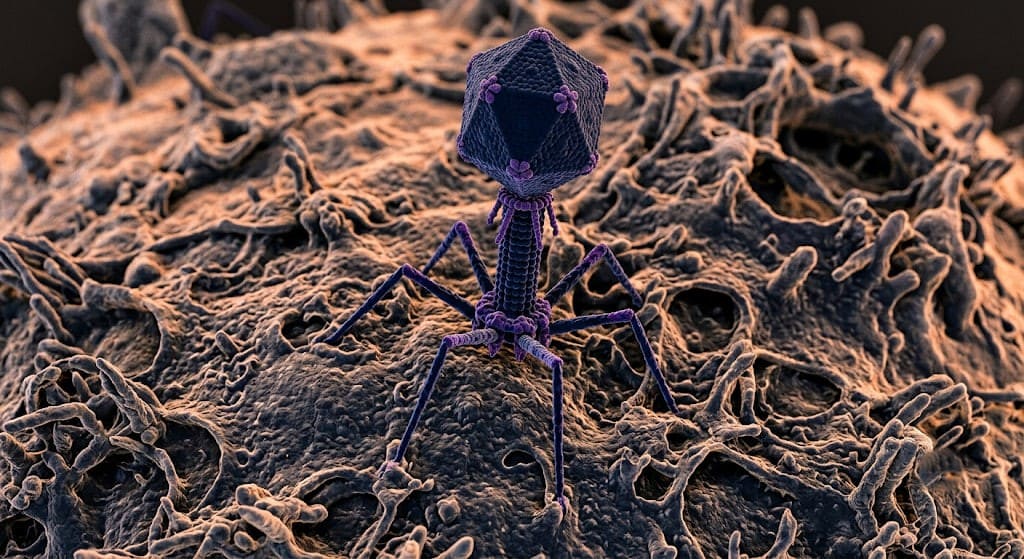
These predators hunt using the same chiral handshakes. A mirror microbe would be chemically off-menu: phages could not inject it, grazers could not digest it. Released into soil or water, a mirror bacterium might face none of the natural enemies that normally limit a microbe, allowing it to multiply with little to stop it.
A Planet With No Brakes
Put those failures together and the concern becomes planetary rather than personal. The 2024 risk assessment warned that a mirror bacterium robust enough to survive outside the lab could establish persistent populations in the environment, exposing humans, livestock, crops, and wild species to a continuous, novel infection risk — against which our medicine, agriculture, and natural ecology would all be flying blind at once.
Worse, because mirror molecules resist normal decomposition, the cells might linger rather than break down after death, and once established in soils, waters, or hosts a mirror population could be effectively impossible to recall. It is the absence of brakes, not the presence of a weapon, that defines the danger.
How Close Are We? A Timeline of Mirror Molecules
Mirror life is not science fiction, but it is also not next year. The field has been climbing a ladder of mirror-image components for three decades, and each rung is harder than the last. Knowing where we actually are on that ladder is the antidote to both panic and complacency.
- 1992: chemists synthesised a fully functional mirror-image version of the HIV-1 protease enzyme — the first proof that a mirror protein folds and works exactly like its natural twin.
- 2010s: researchers built mirror-image enzymes that could copy short strands of mirror DNA, showing fragments of a mirror genetic system could function.
- Today: labs can make mirror proteins and mirror nucleic acids piece by piece, but assembling a complete, self-replicating mirror cell — with a working mirror ribosome, membrane, and metabolism — remains far out of reach.
- The estimate: the 2024 experts judged a functioning mirror bacterium to be at least a decade away, and only with sustained, deliberate effort — which is precisely why a decision can still be made now.
The window matters. Unlike most catastrophic technologies, mirror life is being debated before it exists, while the hardest steps are still unsolved. That is a rare and valuable position: the chance to set the rules in advance rather than scramble after a mistake.
The 2024 Science Warning — and Who Signed It
The conversation changed on 12 December 2024, when the journal Science published a Policy Forum article titled “Confronting risks of mirror life,” accompanied by a roughly 300-page technical report on the feasibility and risks of mirror bacteria. This was not a fringe alarm. The 38 authors spanned nine countries and disciplines from immunology and ecology to plant pathology, evolutionary biology, and biosecurity.
The signatories carried unusual weight. They included Nobel laureates Greg Winter, who shared the 2018 Chemistry prize, and Jack Szostak, a 2009 Medicine laureate. Most striking of all, several authors were scientists who had themselves been working toward mirror life — including synthetic biologist Kate Adamala — and who, after running the risk assessment, chose to halt their own projects and put their names to the warning. When the people best positioned to build something instead ask the world to stop, the signal is hard to ignore.
How the World Is Responding
Mirror life is not real, and as of 2026 no one is known to be actively trying to build it. Mirror life remains entirely hypothetical: no mirror cell exists, and the technical barriers are still formidable. What has changed dramatically since the 2024 paper is the speed and seriousness of the global response, which has moved with unusual unanimity toward restraint.
The first shift was among researchers themselves. Scientists who had been pursuing mirror cells publicly renounced the goal, and major philanthropic funders stated they would not finance work aimed at creating mirror organisms — choking off money before the science could mature. Independent scrutiny followed: in 2025, Germany’s Central Committee on Biological Safety (the ZKBS) conducted its own review and affirmed the core risk assessment, an important confirmation from a national biosafety authority outside the original author group.
International bodies then took up the question. UNESCO’s International Bioethics Committee recommended a precautionary global moratorium on creating mirror life. In the United Kingdom, the Government’s Chief Scientific Adviser convened a roundtable that concluded an international coalition would be needed to prevent the development of mirror organisms. And in February 2025, fifty years after the landmark Asilomar conference that set the ground rules for recombinant DNA, the “Spirit of Asilomar” summit produced an entreaty — signed by around 96 participants — agreeing that mirror life should not be created.
The hardest practical question — where exactly to draw the line so that safe mirror-molecule research can continue while the dangerous endpoint is blocked — is still being worked out. Scientists gathered in Manchester in September 2025 specifically to debate where those “red lines” should fall. By 2026 the conversation had reached the highest diplomatic levels: a United Nations scientific advisory body urged proactive multilateral action to define clear red lines before mirror life becomes feasible, and US and Chinese policy organisations issued a rare joint call for safeguards. Taken together, it is one of the most coordinated efforts ever mounted to govern a technology that does not yet exist.
None of this means the underlying science vanishes. Mirror-image proteins and short mirror nucleic acids will keep being made for legitimate research and medicine, and that work is widely seen as valuable and safe. The line being drawn is specific and narrow: not “stop studying chirality,” but “do not build a complete, self-replicating mirror organism.” Keeping that distinction sharp is exactly what the emerging governance frameworks are trying to do.
Mirror Life and the Doomsday Clock
The seriousness of the concern showed up in an unmistakable place in 2026. When the Bulletin of the Atomic Scientists set the Doomsday Clock to 85 seconds to midnight — the closest to catastrophe it has ever been — its accompanying statement named mirror life among the biological dangers the world must confront. The Bulletin explicitly urged the international community to take all feasible steps to prevent the creation of mirror life, listing it alongside nuclear and AI risks in its recommendations for pulling the clock back.
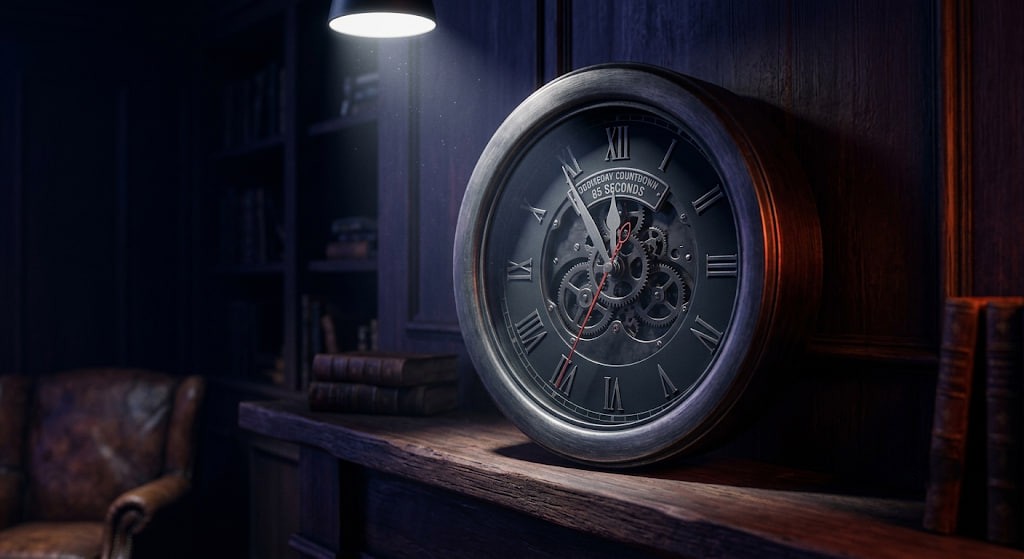
That framing carries a quietly hopeful corollary. Because mirror life does not yet exist and cannot arise on its own, choosing not to build it is a concrete, achievable action — one of the few existential risks where prevention is genuinely within reach. Acting on it is, in the Bulletin’s own logic, a way to help move the hands away from midnight rather than toward it.
How Certain Is the Threat?
Good science means stating the uncertainties, and the mirror-life warning is a risk assessment, not a prophecy. The authors themselves are careful to say that a mirror bacterium could be catastrophic, not that it certainly would be — and a handful of researchers have pushed back on parts of the picture. The honest answer is that the danger is plausible enough to take extremely seriously, while several key questions remain genuinely open.
The main counter-argument is survival. A mirror cell would need mirror nutrients to grow, and those are vanishingly rare in nature, so some scientists argue a mirror microbe might starve or be outcompeted rather than rampage. The 2024 report takes this seriously but counters that some bacteria are metabolic generalists, and that a mirror organism able to scavenge the achiral molecules in the environment — simple sugars and minerals that have no handedness — might find enough to persist.
There is also real uncertainty about exactly how completely the immune system would fail, since it has some non-specific defenses that do not depend on molecular handedness. The reason caution still wins is the asymmetry of consequences: if the optimists are right, we lose little by not building mirror life, but if the pessimists are right and we build it anyway, the damage could be irreversible. That lopsided bet, more than any single certainty, is what drives the precautionary stance.
What Mirror Life Is Not
A few persistent misunderstandings are worth clearing up, because mirror life collects sci-fi baggage. It is not antimatter — there is nothing explosive or exotic-physics about it; the atoms are completely ordinary, only their arrangement is reversed. It is not an “evil twin” that would seek out and destroy normal life; the danger is passive invisibility, not aggression. And it absolutely cannot arise on its own in a swamp or a hot spring: because evolution has only ever worked with one handedness, a mirror organism can only come into existence if humans painstakingly assemble it.
That last point is the quiet good news — the off switch is simply not to build it. And it is not a gradual, accidental drift either: there is no chain of small lab errors that slowly turns ordinary bacteria into mirror ones, only a deliberate, decades-long construction project that the world can choose to leave unfinished.
Q&A
Mirror life is hypothetical synthetic life made from the mirror-image versions of life’s molecules. Where all natural organisms use left-handed amino acids and right-handed sugars, a mirror bacterium would use right-handed amino acids and left-handed sugars — the same chemistry, reflected. It would be alive in the normal sense but chemically unrecognisable to every other living thing.
Because the defenses that keep microbes in check — immune systems, antibiotics, and natural predators like phages and protists — all rely on recognising normal-handed molecules. A mirror bacterium could evade all of them at once, potentially spreading through humans, animals, and ecosystems with little to stop it. The 2024 Science report called this an unprecedented risk.
No. Scientists have built individual mirror-image molecules — a working mirror version of HIV protease as far back as 1992, plus mirror enzymes and short mirror DNA strands — but never a complete, self-replicating mirror cell. Building one would require a fully functional mirror ribosome, membrane, and metabolism, which is still well beyond current technology.
The appeal is medical. Because the body’s enzymes can’t easily break down mirror molecules, mirror-image drugs could last longer and cause fewer immune reactions. A mirror bacterium could in theory act as a cheap factory for producing such mirror therapeutics — the same dual-use temptation that makes the technology worth controlling.
No. Evolution has only ever worked with one handedness, so a mirror organism cannot emerge naturally from existing life or arise spontaneously in the wild. It could only exist if humans deliberately built it from scratch — which is exactly why a global decision not to build it is an effective safeguard.
The 2024 expert assessment estimated a functioning mirror bacterium is at least a decade away, and only achievable with sustained, deliberate effort. As of 2026 no one is known to be pursuing it, funders have refused to support it, and international bodies are working to set “red lines” before the capability arrives.
No. Antimatter is made of particles with opposite electric charge that annihilate on contact with ordinary matter, releasing energy. Mirror life is made of completely ordinary atoms; only the three-dimensional handedness of its molecules is reversed. A mirror microbe would not explode or annihilate anything — its danger is purely biological invisibility, not physics.
It would be difficult, which is much of the worry. Many standard lab tests, stains, and genetic probes rely on normal-handed reagents and might fail to register a mirror cell at all, so dedicated mirror-specific detection tools would have to be developed in advance. Containment would demand sealed, isolated facilities of the highest biosafety level — and the 2024 report argues that for some release scenarios no containment could be considered reliable enough, which is exactly why prevention is favoured over after-the-fact control.
It is a live concern. AI tools that design proteins and predict molecular structures could, in principle, help solve some of the hardest steps, such as engineering a working mirror ribosome. That is partly why the 2026 Doomsday Clock statement grouped mirror life with AI-enabled biological threats and called for governing both together, before the capabilities mature.
The Bigger Question
Mirror life is the rare existential risk we get to discuss before it exists — a microbe so chemically alien that our immune systems, our antibiotics, and nature’s own predators might all fail to see it. The scientists closest to building it have asked the world not to. But what would actually happen if a single mirror cell ever slipped past the lab door and into a field, a lake, or a lung? That hour-by-hour, year-by-year scenario is explored in what if mirror life escaped.
To understand the handedness rule at the heart of all this, read our explainer on chirality, and to see the toolkit that could one day make a mirror cell possible, explore synthetic biology. Discover more existential questions on the Earth & Humanity Survival hub.
Watch the mirror life scenario to see why a single flipped molecule could threaten the entire living world.