 By
By 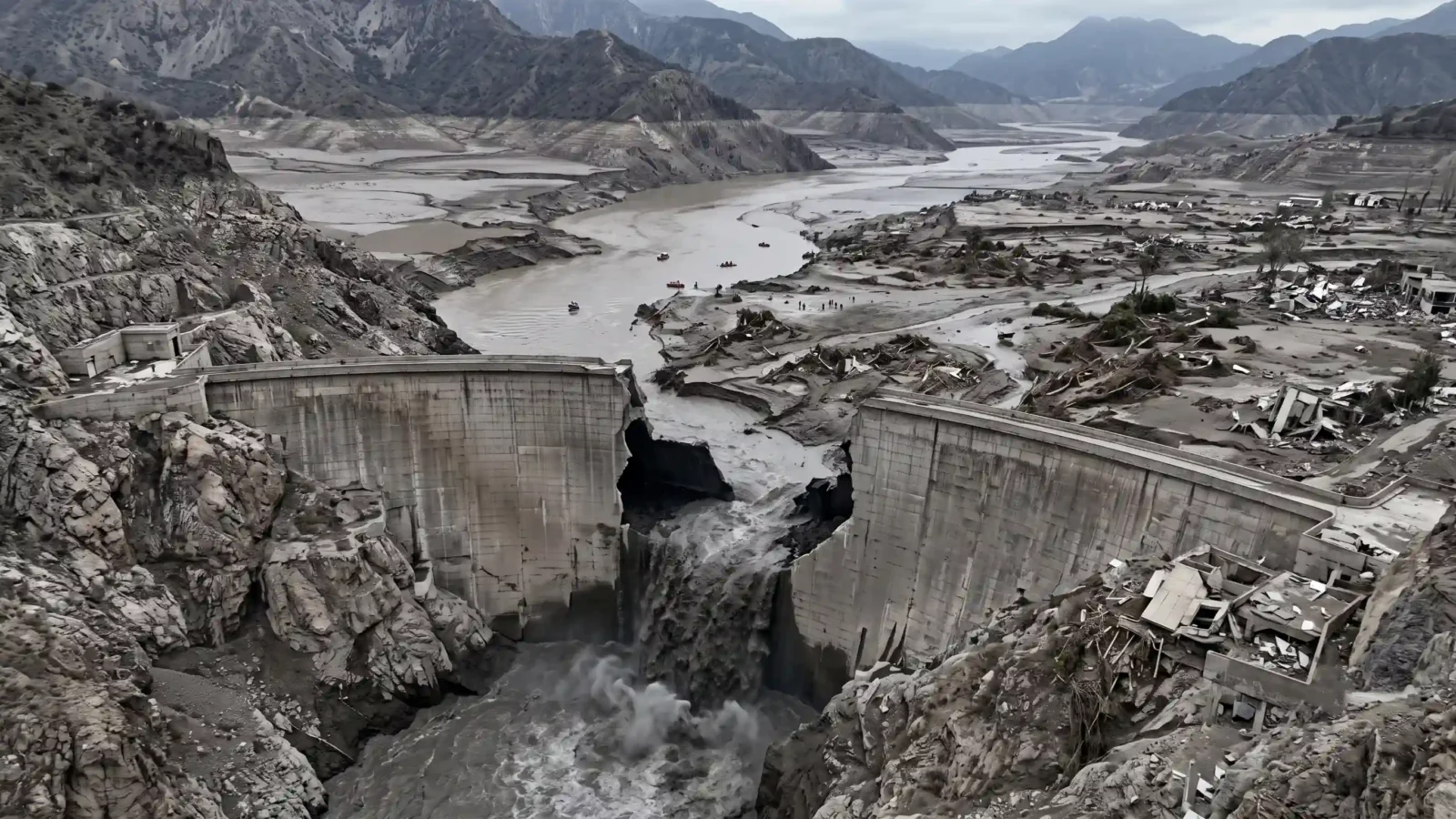
Quick Answer
The worst dam disasters in history have killed hundreds of thousands of people, and the deadliest by far was the 1975 collapse of the Banqiao Dam in China. Dams fail for several reasons — extreme floods that overtop them, structural or foundation flaws, landslides, and earthquakes — and when a large dam gives way, the sudden release of its reservoir can devastate everything downstream within hours. This guide ranks the most catastrophic failures and explains what causes them and how modern engineering tries to prevent them.
Dams are among humanity’s most impressive structures, providing power, water, and flood control to billions. But when they fail, they can unleash some of the deadliest disasters ever caused by engineering. This guide explains why dams fail, recounts history’s worst dam disasters, the warning signs that precede a collapse, and how dam safety has improved.
What Causes a Dam to Fail?
Dam failures usually result from one or a combination of several causes. Understanding them is the first step to preventing the next disaster.
- Overtopping: water flowing over the top during floods that exceed the dam’s capacity — the single most common cause.
- Structural or design flaws: weaknesses in the dam’s construction or engineering.
- Foundation failure: instability or erosion of the ground the dam is built on.
- Internal erosion (piping): water seeping through the dam, carrying away material and creating hidden channels.
- Earthquakes and landslides: seismic shaking or debris falling into the reservoir.
Many of the worst disasters combined several of these factors — for example, an extreme flood overwhelming a dam that also had design limitations. Aging and poor maintenance increase the risk of all of them.
The Banqiao Dam Disaster (1975)
The collapse of the Banqiao Dam in Henan Province, China, in August 1975 is widely regarded as the deadliest dam disaster in history. It was triggered by Typhoon Nina, which dumped an extraordinary amount of rain — more than a year’s worth in a single day — far beyond what the dam was designed to handle.
As the reservoir overtopped, the Banqiao Dam failed, and its collapse set off a catastrophic chain reaction: roughly 60 other dams downstream failed in cascade, like dominoes. A wall of water swept across the densely populated plains below. Estimates of the death toll vary widely; tens of thousands died in the immediate flooding, and when subsequent famine and disease are included, total deaths have been estimated as high as 170,000 or more. The disaster, long kept secret by authorities, stands as a stark warning of what happens when a dam meets a flood beyond its design — the very premise of what if the Banqiao Dam collapsed today.
Other Catastrophic Failures (Vajont, St. Francis, Machhu-2…)
Banqiao is the deadliest, but several other dam disasters were horrific in their own right, each teaching painful lessons.
The Vajont Dam disaster in Italy (1963) is a chilling case: the dam itself did not break. Instead, a massive landslide plunged into the full reservoir, displacing the water into a gigantic wave that surged over the top of the dam and obliterated villages below, killing around 2,000 people. It remains a textbook example of how the geology around a dam can be as dangerous as the dam itself.
The St. Francis Dam failure in California (1928) killed more than 400 people and ended the career of its famed engineer, William Mulholland, after foundation problems caused a catastrophic collapse just after the reservoir was filled. The Machhu-2 Dam disaster in India (1979) followed heavy rainfall and killed thousands. Earlier, the Johnstown Flood in Pennsylvania (1889) killed over 2,200 people after a poorly maintained dam failed, and the Malpasset Dam collapse in France (1959) killed over 400 due to a geological weakness in its foundation.
The Common Warning Signs
Dams rarely fail without giving some warning, if anyone is watching closely. Engineers look for telltale signs of distress: new or growing cracks in the dam structure; seepage or unusual wet spots downstream, which can indicate water finding a path through the dam; muddy or increasing leakage, suggesting internal erosion is carrying away material; settlement, bulging, or deformation of the dam; and sinkholes or whirlpools in the reservoir. Rising water levels approaching the crest during floods are an obvious red flag. Catching these signs early — and acting on them — is the difference between a controlled response and a catastrophe.
How Modern Dams Are Made Safer
Modern dam engineering has learned hard lessons from these disasters. Today’s large dams are built with generous spillways designed to safely pass even extreme floods, reducing the risk of overtopping. They undergo thorough geological assessment of the foundation and surrounding slopes, rigorous design standards, and continuous monitoring with instruments that track seepage, pressure, movement, and seismic activity in real time.
Regular inspections, formal risk assessments, and emergency action plans with downstream warning systems are now standard for major dams in many countries. While no structure can be made perfectly safe, these measures have made catastrophic failures far less common than in the past. The challenge remains greatest for older dams built to outdated standards, and for the very largest dams, where the stakes of any failure are immense — a concern explored in our article on the Three Gorges Dam.
Q&A
The 1975 Banqiao Dam failure in China is considered the deadliest. Triggered by extreme rainfall from Typhoon Nina, it caused a cascade of dam failures and flooding that killed tens of thousands immediately, with total deaths including famine and disease estimated as high as 170,000 or more.
The highest risks generally come from aging dams built to older standards, dams with deferred maintenance, and those in regions prone to extreme floods or earthquakes. Many countries have large numbers of older dams that require ongoing inspection and upgrades to remain safe.
Often, yes — to a degree. Modern dams are monitored for warning signs like seepage, cracking, and deformation, which can reveal developing problems before a failure. Combined with flood forecasting and emergency plans, this allows operators to take action or evacuate, though sudden events like landslides or extreme floods can still strike with little notice.
Extremely fast. When a large dam fails, the released water can surge downstream at high speed, reaching communities within minutes to hours depending on distance and terrain. This is why downstream warning systems and rapid evacuation plans are critical for areas below large dams.
The Bigger Question
History’s worst dam disasters reveal a sobering pattern: it is often a flood beyond the design limits, or a hidden weakness, that turns a life-giving structure into a deadly one. The Banqiao collapse — the deadliest of all — showed how a single failure can cascade into catastrophe. What would happen if that same dam, in today’s far more populated landscape, failed again? That is the scenario examined in what if the Banqiao Dam collapsed today.
For a look at the safety questions surrounding the world’s largest dam, read the Three Gorges Dam. Explore more on natural and engineered disasters at the Geology hub.
Watch the Banqiao scenario to see how a modern dam break could unfold.